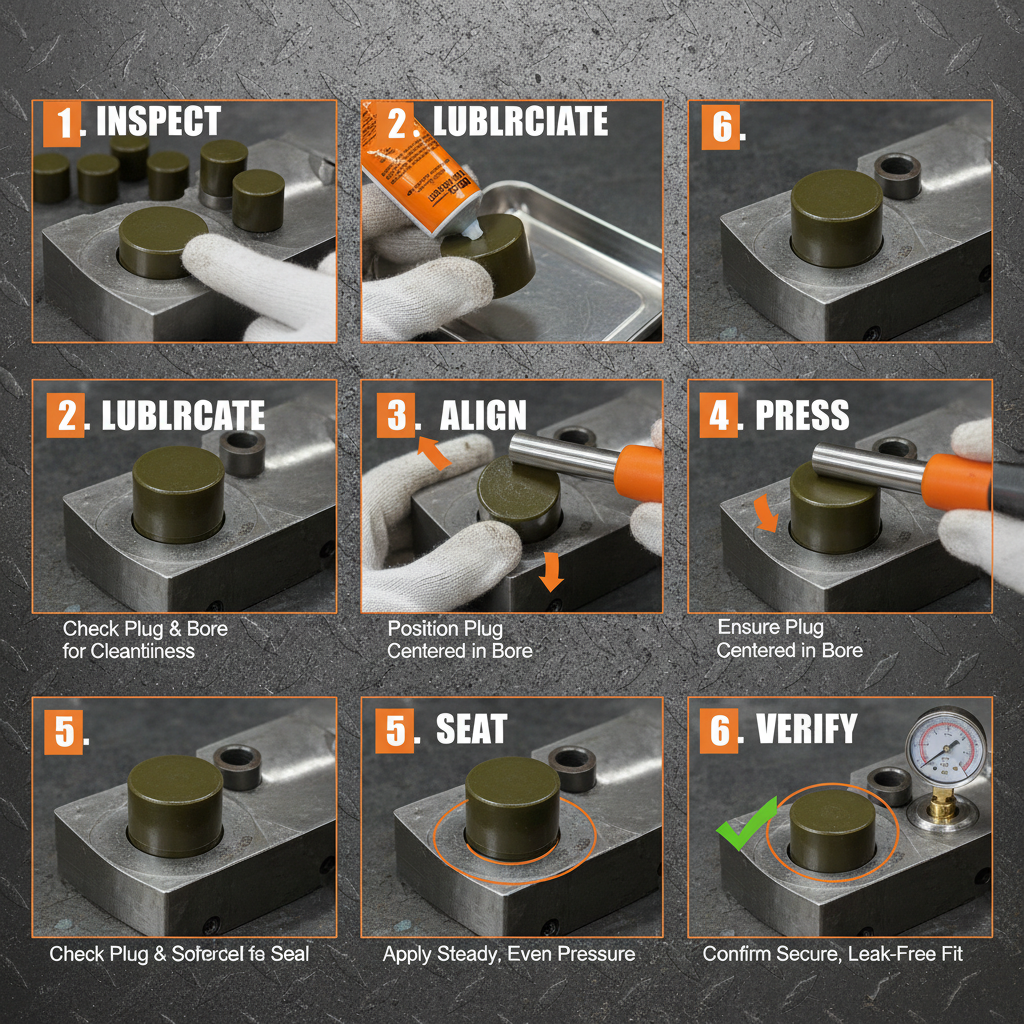
When industrial operations encounter extreme temperatures and aggressive chemical exposure, standard rubber components often fail, leading to costly downtime. Custom FKM Seals provide a high-performance alternative, utilizing fluorocarbon elastomers to maintain structural integrity where other materials degrade. This guide examines the engineering principles and selection criteria necessary for implementing these advanced sealing components in critical B2B applications.
The transition from general-purpose elastomers to FKM-based solutions is typically driven by the need for superior heat resistance and chemical inertness. In sectors such as petrochemicals, aerospace, and automotive manufacturing, the cost of seal failure extends beyond the component itself to include environmental hazards and system-wide inefficiency. Understanding the relationship between polymer chemistry and physical application is essential for engineers and procurement officers aiming to optimize equipment lifecycles.
Throughout this analysis, we will explore the technical specifications of fluorinated rubbers, the impact of precision molding on seal longevity, and how to evaluate supplier capabilities based on industry certifications. Readers will gain a practical framework for defining material requirements and ensuring that tailored sealing components meet the rigorous demands of modern industrial environments, supported by a deep dive into Custom FKM Seals and their integration into fluid systems.
Technical Foundations of Fluorocarbon Elastomers
Fluorocarbon elastomers, commonly known as FKM, are synthetic rubbers characterized by a high fluorine content, which creates a strong carbon-fluorine bond. This molecular structure is the primary reason these materials exhibit exceptional resistance to heat, ozone, and a vast array of chemicals, including hydrocarbons and ketones. Unlike NBR or EPDM, which may swell or harden when exposed to fuels and oils, FKM maintains its volumetric stability and elasticity. This makes it indispensable for dynamic and static sealing in engines, fuel systems, and chemical processing plants. The versatility of the material is further enhanced by the ability to adjust the formula—varying the fluorine percentage to balance low-temperature flexibility against high-temperature stability. From a manufacturing perspective, the processing of these polymers requires specialized precision molds and controlled curing cycles to ensure the cross-linking density is uniform across the entire part geometry, preventing premature failure in high-pressure environments.
Engineering Guide for Specialized Sealing Solutions
Selecting the correct sealing configuration requires a multidimensional analysis of the operating environment. It is not merely about choosing a material, but about matching the polymer's physical properties with the mechanical stresses of the application. The following sections detail the critical vectors that influence the performance and reliability of tailor-made fluorocarbon components.
Material Performance Criteria
The effectiveness of a seal is determined by its ability to maintain a leak-proof interface under pressure. Key metrics include hardness (Shore A), compression set, and tensile strength. For those requiring tailored solutions, the raw material laboratory's ability to test against ASTM D2000 standards is vital. A low compression set ensures the seal recovers its original shape after being compressed, which is critical for long-term reliability in static joints.
| Property | Requirement | Impact on Performance | Verification Method |
|---|---|---|---|
| Hardness | 60-90 Shore A | Affects sealability and extrusion resistance | Durometer Testing |
| Compression Set | Low Percentage | Determines long-term sealing force | ASTM D395 |
| Tensile Strength | High MPa | Prevents tearing during installation | Pull Testing |
| Elongation | Balanced % | Determines flexibility under deformation | Stretch Testing |
| Fluorine Content | 66% to 70% | Determines chemical resistance levels | Chemical Analysis |
| Temperature Range | -20°C to +230°C | Defines operational boundaries | Thermal Cycling |
Thermal Stability and Operating Limits
FKM is prized for its ability to operate continuously at temperatures exceeding 200°C without significant degradation. However, engineers must consider the "glass transition temperature"—the point at which the rubber becomes brittle. In cryogenic or extremely cold environments, standard FKM may fail, necessitating a specialized formula or a shift to FFKM. Thermal stability also involves the rate of heat aging; the material must not harden or crack over thousands of operational hours in high-heat zones.
Chemical Resistance Profiling
One of the primary reasons for specifying fluorinated elastomers is their inertness. They provide an effective barrier against aggressive media such as aromatic hydrocarbons, mineral oils, and many acids. However, they can be susceptible to certain polar solvents, amines, and high-concentration ketones. A professional supplier will analyze the specific chemical environment of the client to recommend the exact compound grade that prevents swelling or chemical attack.
Precision Mold Design and Tolerances
The performance of a bespoke seal is only as good as the mold from which it is produced. Precision mold processing ensures that the final part matches the technical drawing exactly, avoiding gaps that could lead to leaks. Utilizing high-precision molds and advanced injection or compression techniques allows for tighter tolerances, which is essential for components used in aviation or medical devices where a fraction of a millimeter can determine the success of the seal.
Application Scenarios in Harsh Environments
These components find extensive use in the petrochemical industry for valve seals and pump gaskets where exposure to crude oil and corrosive gases is constant. In the automotive sector, they are used in turbocharger hoses and fuel injectors. Furthermore, in the aviation industry, they provide critical sealing for hydraulic systems. Each of these scenarios demands a unique combination of pressure resistance and material purity to ensure safety and system efficiency.
Quality Verification and ASTM Standards
To ensure consistency in mass production, a rigorous quality management system is required. Adherence to TS 16949 standards ensures that every batch undergoes strict inspection. This includes raw material testing in a dedicated laboratory to verify properties against ASTM D2000. Final inspections often involve optical sorting machines to detect surface defects or dimensional deviations that could compromise the sealing interface.
Procurement and Customization Workflows
For B2B procurement, the process should begin with a technical consultation rather than a simple quote request. A capable supplier provides OEM and ODM services, helping to design the seal based on a sample or a blueprint. The workflow typically involves: requirement analysis, formula development, prototype sampling, testing for fit and function, and finally, full-scale production with regular feedback on progress to ensure timely shipping and quality compliance.
FAQ
What is the primary difference between FKM and NBR seals?
The primary difference lies in thermal and chemical resistance. NBR (Nitrile) is effective for general oil resistance at moderate temperatures, but FKM (Fluorocarbon) can withstand much higher temperatures (up to 230°C) and is resistant to a wider range of aggressive chemicals, including aromatics and acids, which would typically cause NBR to degrade or swell.
How do I determine the correct hardness for my application?
Hardness selection depends on the pressure and the gap size of the sealing interface. Higher hardness (e.g., 90 Shore A) is generally preferred for high-pressure applications to prevent the rubber from extruding into the gap. Lower hardness (e.g., 70 Shore A) provides better conformability for lower-pressure seals or irregular surfaces to ensure a tight leak-proof fit.
Can FKM components be customized for food-grade applications?
Yes, FKM compounds can be developed to meet specific regulatory requirements such as FDA or REACH compliance. By utilizing specific curing agents and ensuring the absence of prohibited additives, manufacturers can produce seals suitable for food and pharmaceutical processing where chemical inertness and non-toxicity are mandatory.
What should I check when evaluating a sealing component supplier?
Buyers should verify the supplier's technical capabilities, specifically whether they have an in-house raw material laboratory and certifications like TS 16949. It is also important to check their ability to provide ODM services—such as drawing blueprints from samples—and their quality control process, including the use of optical sorting for final inspections.
What causes premature failure in fluorocarbon seals?
Premature failure is often caused by incorrect material selection (e.g., using a grade not resistant to the specific chemical present), over-compression during installation which leads to permanent deformation, or operating the seal below its glass transition temperature, causing it to become brittle and crack under mechanical stress.
Is it possible to get samples before placing a large B2B order?
Most professional manufacturers offer free samples for testing, though the customer usually covers the freight. For customized parts, a paid OEM sample process is recommended to verify the dimensions, hardness, and material performance in the actual operating environment before proceeding to mass production.
References and further reading
- ASTM D2000 - Standard Classification System for Rubber Products in Automotive Applications
- ISO 3601 - Rubber seals — O-rings
- Handbook of Rubber Technology - Polymer Chemistry and Elastomer Properties
Related Articles