HighPerformance FKM Gaskets Solutions for Australia’s Industrial Sector
  • Home
  • Global Service

High-Performance FKM Gaskets Solutions for Australia's Industrial Sector

Providing precision-engineered rubber components designed to withstand the extreme environmental challenges of the Oceania region, from corrosive mining sites to high-temperature processing plants.

High-Performance FKM Gaskets Solutions for Australia's Industrial Sector

Advanced sealing technology leveraging premium elastomers to prevent leakage and ensure operational safety across Australia's most demanding rubber parts manufacturing applications.

Industrial Sealing Landscape in Australia

Analyzing the impact of Oceania's unique climate and economy on rubber part longevity.

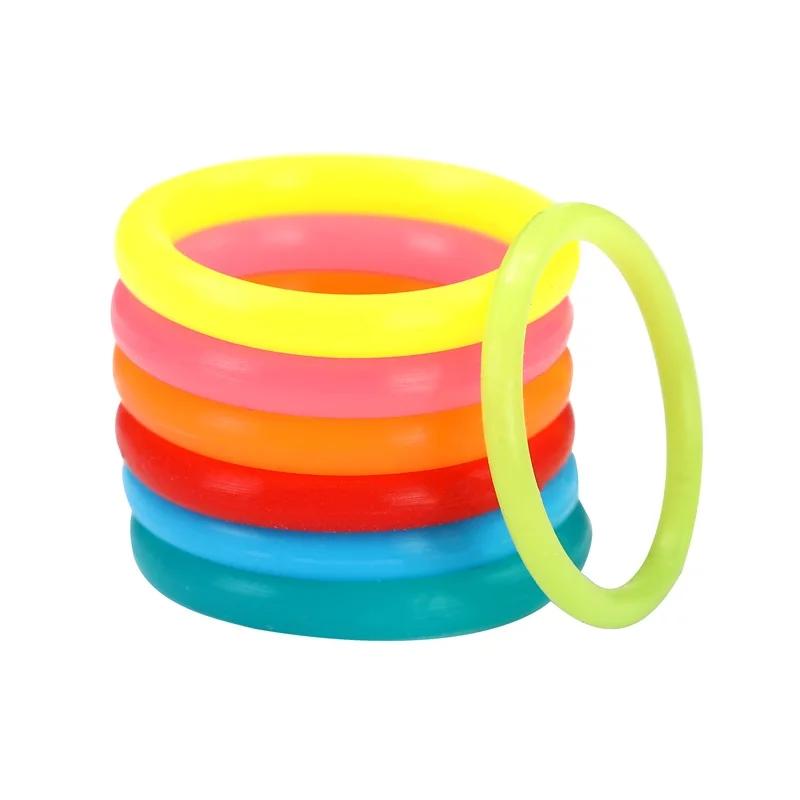
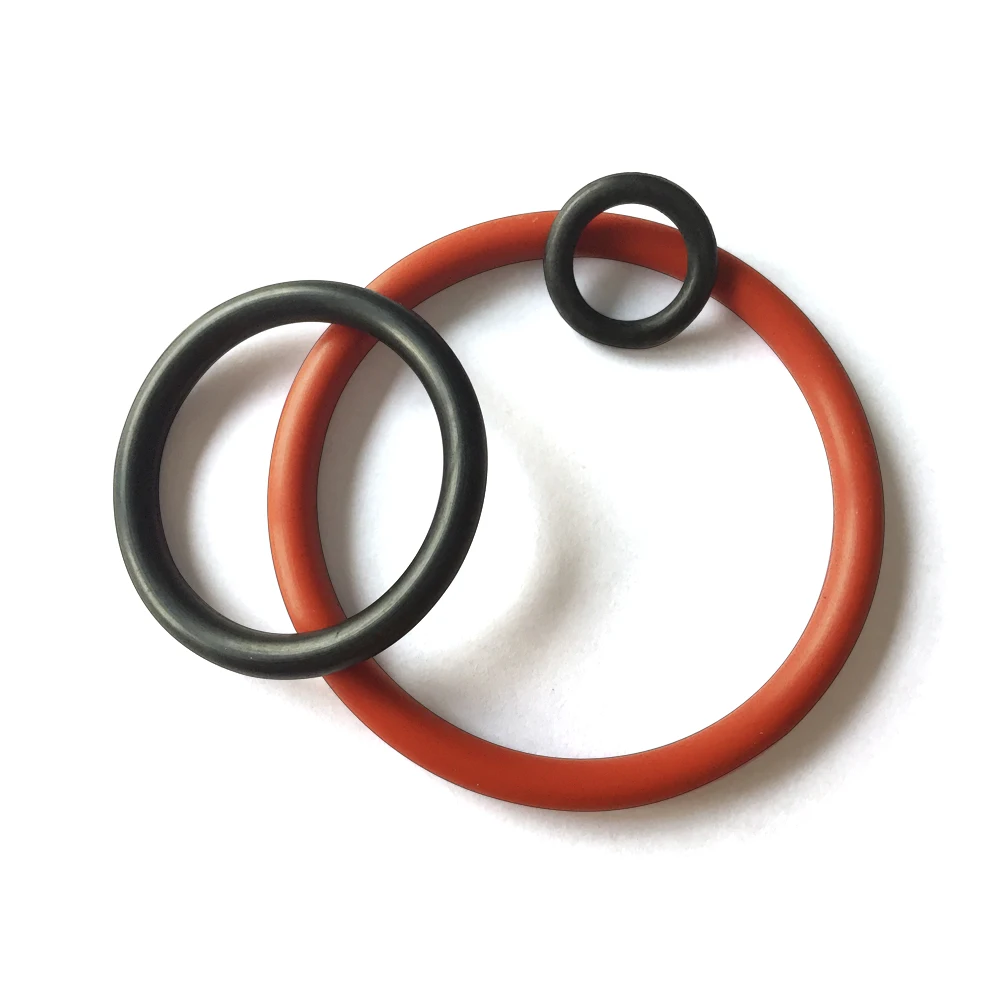
Australia's industrial landscape is characterized by extreme temperature fluctuations and high exposure to UV radiation, which accelerate the degradation of standard rubber components. This has created a critical demand for Corrosion Resistant Gaskets that can maintain structural integrity in coastal refineries and inland mining operations.

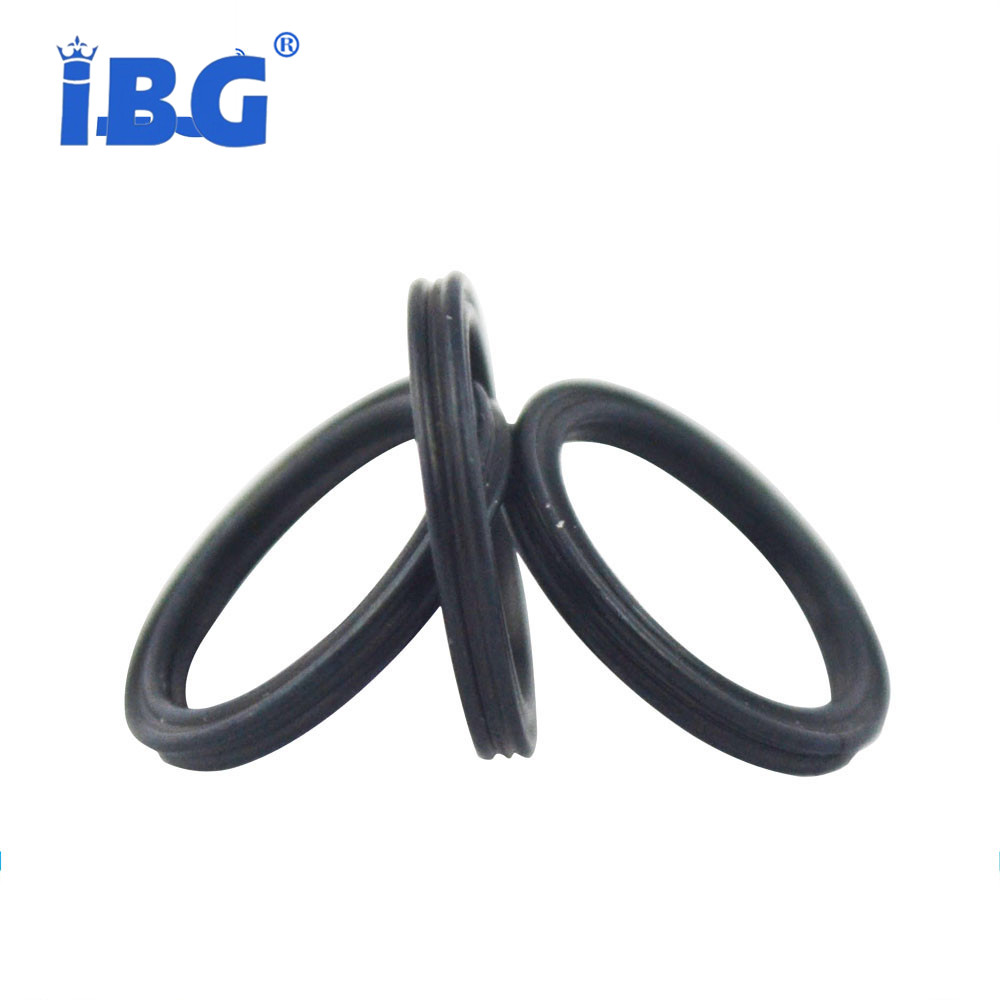
The mining and petrochemical sectors in Western Australia and Queensland require specialized sealing solutions like EPDM Gaskets to handle aggressive chemical exposure and weathering. The local market is shifting away from generic components toward high-spec materials that reduce downtime caused by seal failure in remote locations.

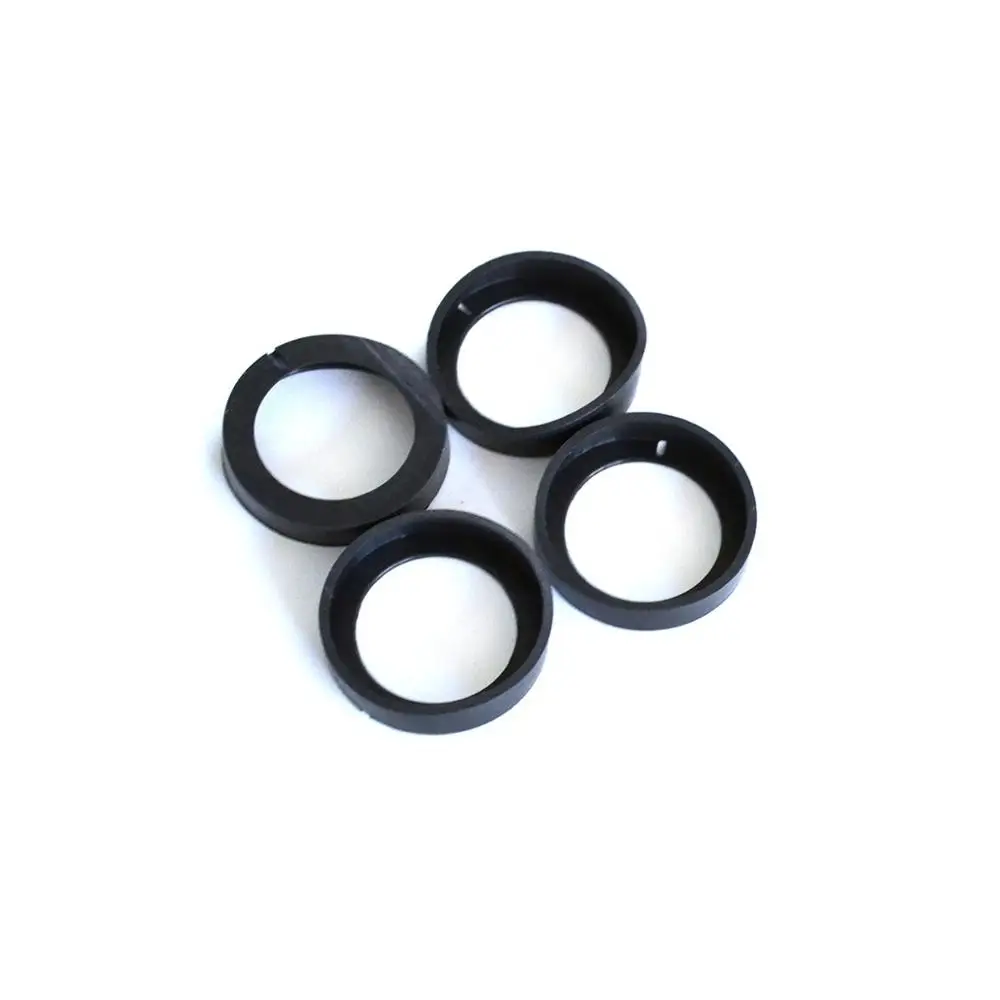
Furthermore, the infrastructure expansion in urban hubs has increased the utilization of Pipeline Rubber Plugs for municipal water and gas networks. These components must meet strict Australian Standards (AS) to ensure safety and environmental compliance in diverse geological terrains.
Evolution of Rubber Sealing Technology

From basic vulcanized rubber to advanced fluoropolymer engineering.

Market Development History

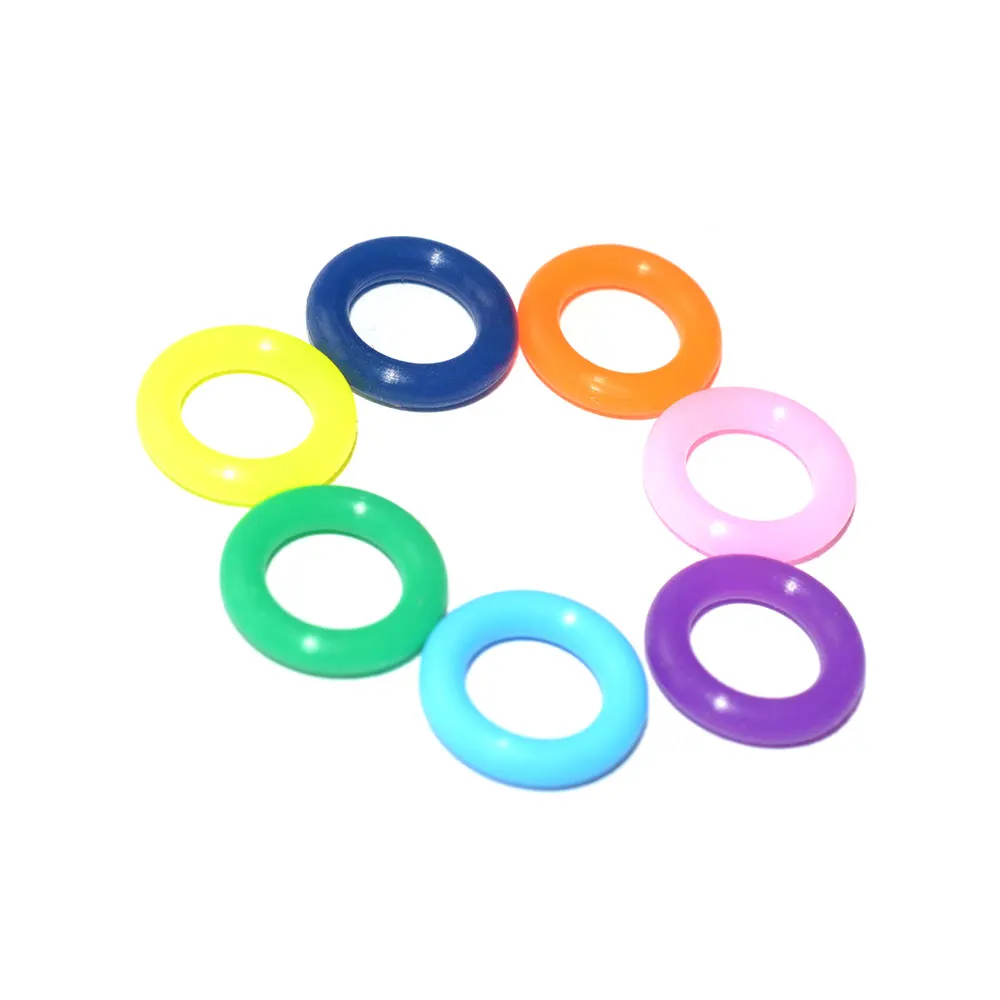
In the early 1980s, the Australian market relied heavily on general-purpose natural rubber and nitrile, which often failed under the harsh UV exposure of the Outback. Technical iterations began in the 1990s with the introduction of EPDM for better weather resistance.

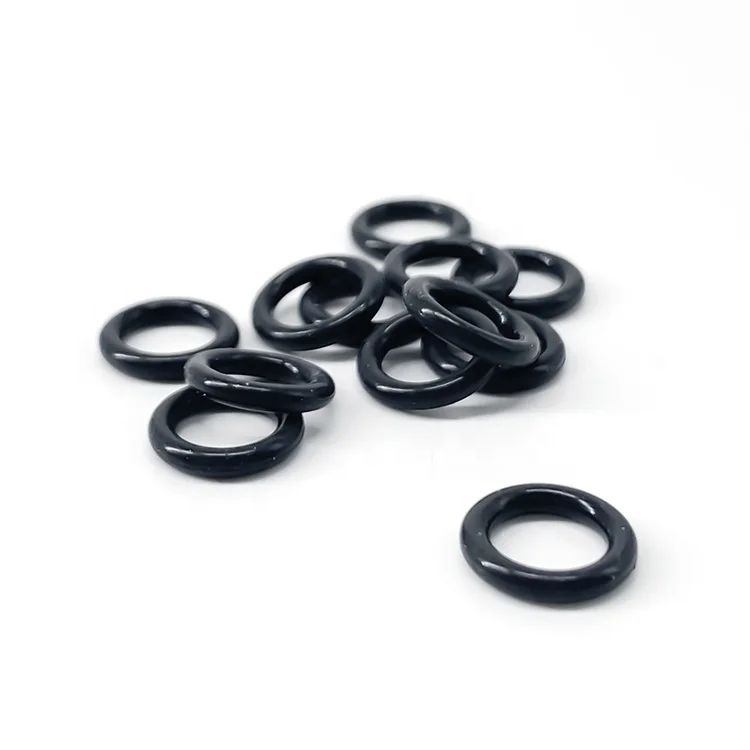
By the 2010s, the rise of the LNG and mining boom necessitated a leap toward high-performance fluorocarbons. This era saw the widespread adoption of FKM Gaskets to solve the problem of chemical swelling and thermal degradation in high-pressure environments.

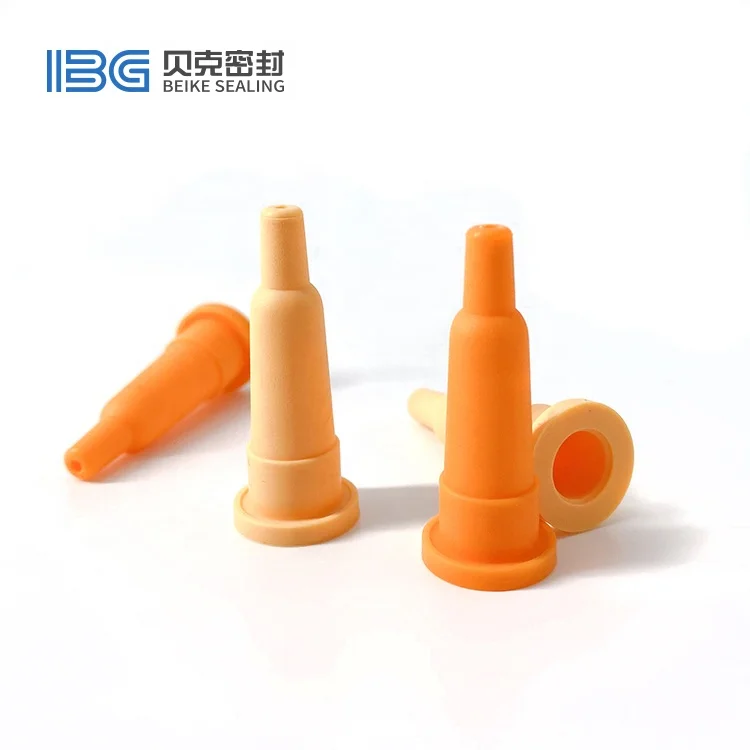
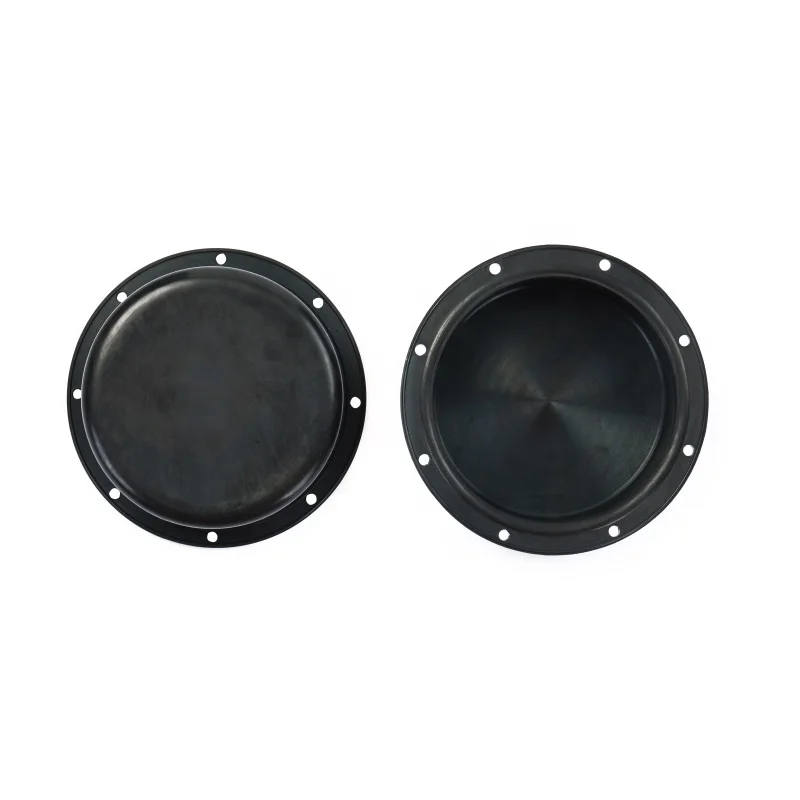
Today, the industry has moved toward "intelligent sealing," where precision molding and material compounding are optimized for specific chemical signatures, ensuring that components like Dustproof Rubber Plugs provide airtight protection against the fine particulate matter common in Australian desert environments.

Future Development Trends

Nano-Composite Integration

Integrating graphene and nano-fillers into rubber matrices to enhance the tear strength and thermal conductivity of gaskets used in heavy machinery.

Bio-Based Sustainable Elastomers

A shift toward eco-friendly, biodegradable polymers to meet Australia's tightening environmental regulations and carbon neutrality goals by 2050.

Predictive Maintenance Compatibility

The development of "smart seals" embedded with sensors to monitor wear and leakages in real-time, reducing unplanned shutdowns in remote mining sites.

Future Outlook of the Rubber Components Industry

Predicting the trajectory of sealing technology based on global search trends and regional demand.

Material Specialization
Increasing demand for multi-layered materials that combine the chemical resistance of FKM with the elasticity of EPDM.
Digital Manufacturing
Adoption of 3D printing for rapid prototyping of complex gaskets to shorten supply chains in remote Australian areas.
Strict ESG Compliance
Emphasis on PFAS-free materials and circular economy practices within the rubber manufacturing lifecycle.
Precision Automation
Integration of AI-driven quality control to ensure zero-defect production for critical aerospace and medical rubber parts.

Industry Outlook

Based on recent Google search trends in the APAC region, there is a significant surge in queries regarding "chemical-resistant elastomers" and "high-temperature sealing." This indicates that Australian industries are aggressively upgrading their legacy systems to more resilient materials to avoid the high cost of emergency maintenance in the Outback.

The future points toward a hybridized approach where material science meets digital monitoring. We expect the rubber parts industry to evolve from a component-supply model to a "sealing-as-a-service" model, focusing on the total lifecycle and reliability of the seal.

Local Application Scenarios in Australia

Real-world deployment of rubber components in Australia's key economic sectors.

01. Pilbara Mining Infrastructure

Deployment of Corrosion Resistant Gaskets in iron ore processing plants to withstand sulfuric acid leaching and extreme abrasion from mineral slurries.

02. Great Barrier Reef Coastal Facilities

Utilizing EPDM Gaskets for saltwater-exposed piping and desalination plants, ensuring UV resistance and prevention of salt-spray degradation.

03. LNG Export Terminals in Queensland

Installation of high-spec FKM Gaskets in cryogenic and high-pressure gas valves to prevent volatile organic compound (VOC) leaks.

04. Urban Water Management in Sydney

Application of heavy-duty Pipeline Rubber Plugs for the maintenance and isolation of aging water mains during city upgrades.

05. Agricultural Machinery in the Murray-Darling Basin

Integration of precision Dustproof Rubber Plugs in hydraulic control panels to prevent fine dust ingress and extend machinery lifespan.

Brand Story

Global Development History of Shijiazhuang Beike Sealing Technology Co., Ltd.

Foundation and Vision

Established with a mission to solve the most complex leakage problems, we began by mastering the fundamentals of rubber compounding for industrial seals.

Technical Breakthroughs

Invested heavily in R&D to develop proprietary FKM and EPDM blends, achieving superior thermal stability and chemical resistance.

Global Expansion

Expanded our footprint into the Oceania market, adapting our product lines to meet the rigorous standards of Australian mining and energy sectors.

Quality Certification

Achieved international quality certifications, ensuring every rubber part produced meets global safety and performance benchmarks.

Sustainable Future

Now leading the transition toward eco-friendly rubber manufacturing, reducing environmental impact while enhancing sealing efficiency.

Comprehensive Rubber Sealing Portfolio for Australia

A full spectrum of high-durability gaskets and plugs tailored for Oceania's industrial requirements.

Australian Industrial Sealing FAQ

Expert answers to the most common technical queries from our local clients.

How do I choose between FKM Gaskets and EPDM for outdoor use in Australia?

For applications involving high UV exposure and weatherability, EPDM is superior. However, if the application involves fuels, oils, or extreme heat (above 150°C), FKM is the necessary choice for durability.

What makes a gasket truly 'corrosion resistant' for mining applications?

Corrosion resistance depends on the polymer's ability to resist chemical attack. Our Corrosion Resistant Gaskets use specialized fluoropolymers that create an inert barrier against acids and bases common in mining.

Can Pipeline Rubber Plugs be used for high-pressure water testing?

Yes, our Pipeline Rubber Plugs are engineered for high-pressure isolation. We recommend verifying the pipe inner diameter and the pressure rating of the plug to ensure a secure seal.

How effective are Dustproof Rubber Plugs against fine desert sand?

Our Dustproof Rubber Plugs provide an IP-rated seal that prevents particulate ingress, which is critical for protecting sensitive electronics in the arid regions of Australia.

What is the typical lifespan of an EPDM seal in coastal environments?

Depending on the grade and exposure, EPDM typically lasts 5-10 years in coastal areas due to its inherent resistance to ozone and salt-air degradation.

Are your rubber parts compliant with Australian Industrial Standards?

Yes, we manufacture our components to align with global and local standards, ensuring they meet the mechanical and chemical requirements for Australian industrial use.

Request a Technical Consultation

Our engineering team is ready to provide customized sealing solutions for your projects in Australia.

Contact Us Now

If you are interested in our products, you can choose to leave your information here, and we will be in touch with you shortly.