Industrial Sealing Solutions for Yemen HighPerformance FKM Gaskets

Industrial Sealing Solutions for Yemen: High-Performance FKM Gaskets

Providing specialized rubber components engineered to withstand the harsh climatic and industrial environments of Yemen, ensuring zero-leakage and maximum operational safety.

Industrial Sealing Solutions for Yemen: High-Performance FKM Gaskets

Comprehensive rubber parts manufacturing tailored for the Yemeni oil, gas, and water infrastructure, focusing on durability and chemical resistance.

Current State of Rubber Sealing in Yemen

Analyzing the challenges of industrial maintenance in arid and high-salinity regions.

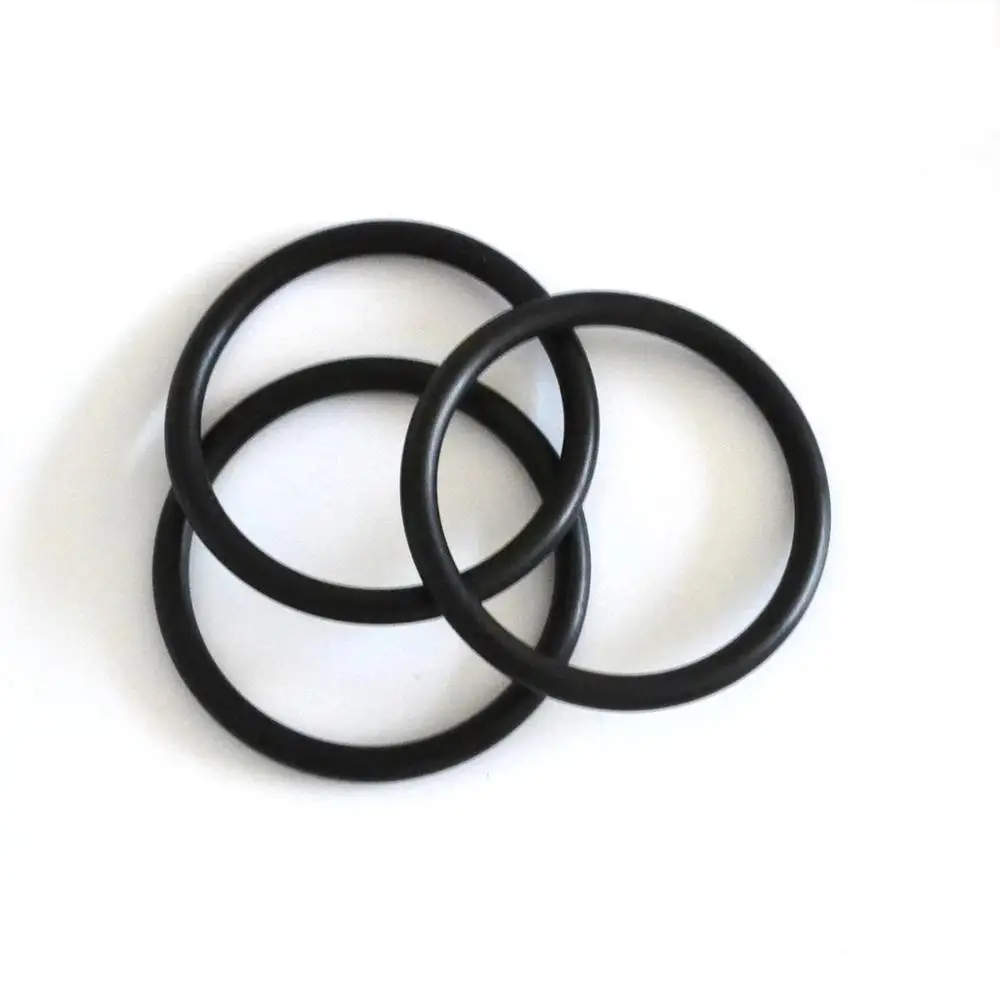
Yemen's industrial landscape, particularly in the Red Sea coastal areas, faces extreme environmental stress. The combination of high ambient temperatures and saline air accelerates the degradation of standard rubber components, making Corrosion Resistant Gaskets a critical necessity for maintaining infrastructure integrity.

Currently, many facilities rely on legacy sealing systems that lack the necessary thermal stability. This leads to frequent unplanned shutdowns in oil refineries and water desalination plants where EPDM Gaskets are often deployed but frequently fail due to unexpected chemical exposure or UV radiation.

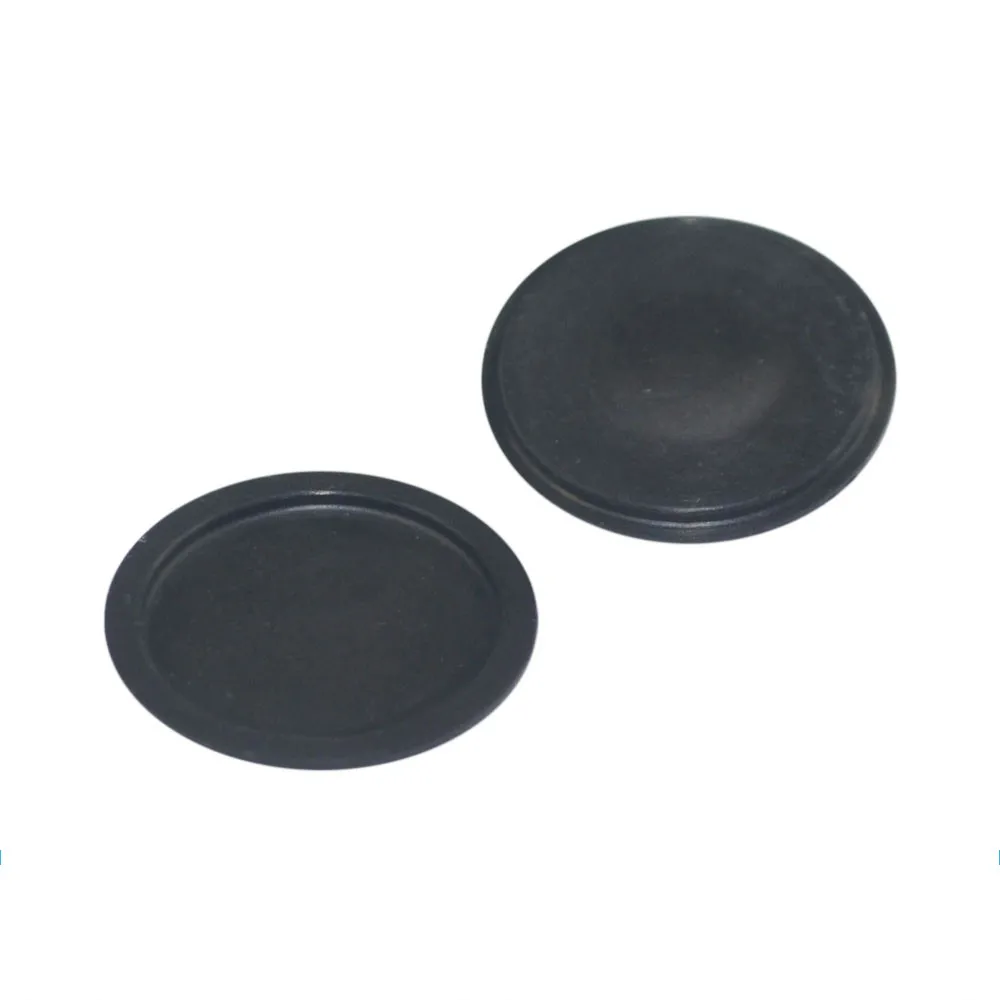
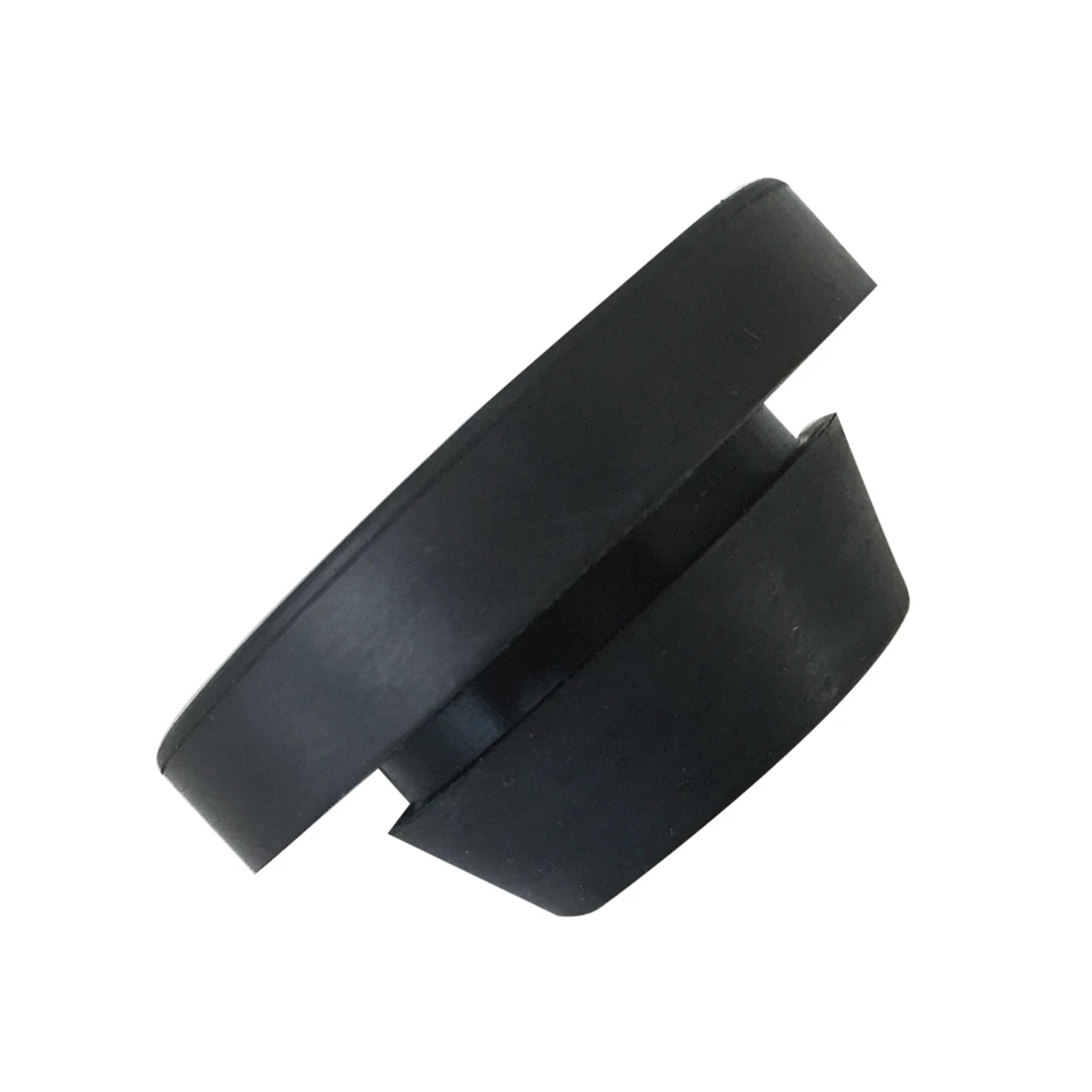
Furthermore, the scarcity of high-precision rubber manufacturing locally means that most critical components, such as specialized Pipeline Rubber Plugs, are imported, leading to long lead times and increased operational risks during urgent repair cycles.
Technical Evolution and Development Trajectory

From generic rubber seals to advanced polymer engineering for the Middle East market.

Market Development History

In the early 2000s, the Yemeni rubber market was dominated by general-purpose nitrile rubber (NBR) and low-grade neoprene, which provided basic sealing but failed under high-temperature oil extraction conditions.

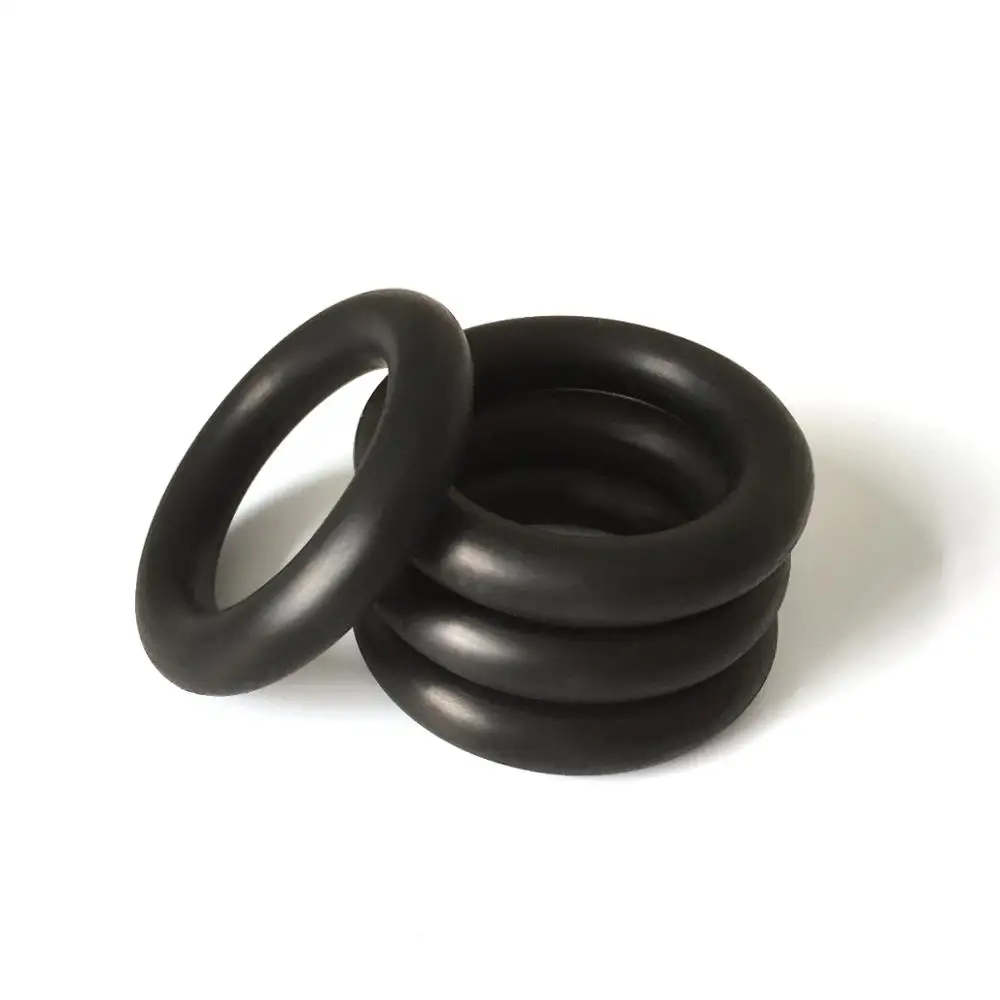
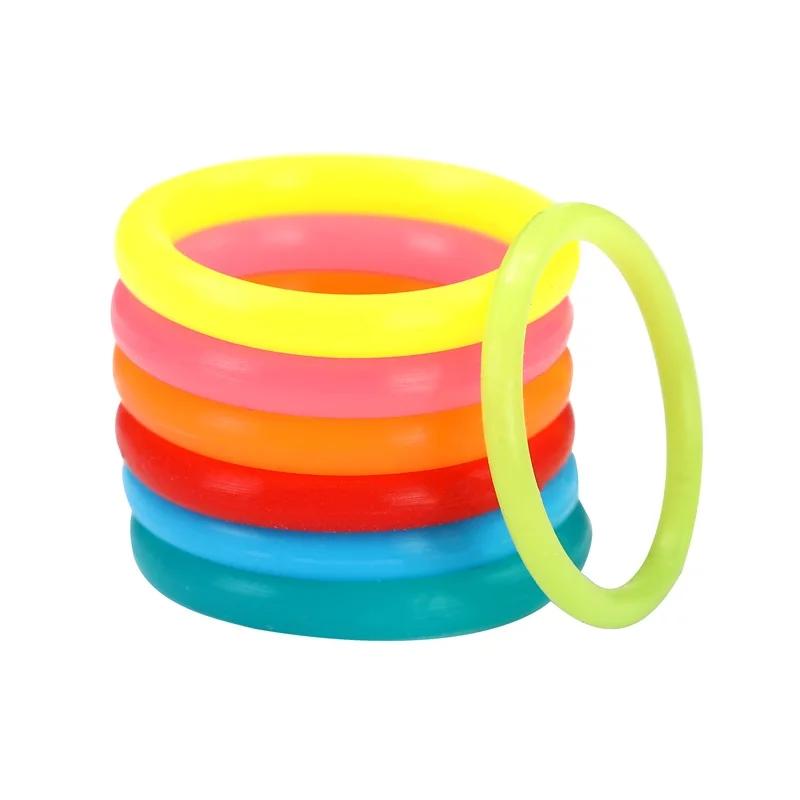
Between 2010 and 2020, there was a strategic shift toward high-performance fluoroelastomers. The introduction of FKM Gaskets allowed industries to operate at significantly higher temperatures and resist aggressive hydrocarbons, reducing the frequency of gasket blowouts.

Today, the focus has evolved into "Systematic Sealing," where precision-molded Dustproof Rubber Plugs are integrated into electrical and mechanical housings to protect sensitive equipment from the pervasive fine desert sands of the Yemeni highlands.

Future Development Trends

Nano-Composite Integration

We anticipate a move toward nano-silica reinforced rubber to increase tear strength and longevity in extreme heat.

Smart Sealing Monitoring

Integration of sensor-compatible gaskets that can signal wear and tear before a catastrophic leak occurs in critical pipelines.

Eco-Friendly Polymer Alternatives

Transitioning toward sustainable, low-emission elastomers that maintain high chemical resistance without compromising the environment.

Industry Trends and Future Outlook

Strategic forecasts for rubber component demand in Yemen's reconstruction and industrial growth.

Thermal Resistance Upgrade
Increased demand for materials capable of maintaining elasticity above 200°C in desert environments.
Chemical Inertness
Optimization of FKM and EPDM blends to combat aggressive H2S and CO2 concentrations.
Precision Molding
Adoption of zero-tolerance molding for critical pipeline and valve components.
Rapid Prototyping
Utilizing additive manufacturing for rapid testing of custom sealing geometries.

Industry Outlook

Based on Google Search trends for "industrial maintenance Yemen" and "rubber sealing standards," we see a rising demand for high-durability components that reduce total cost of ownership (TCO). The market is shifting away from cheap, disposable seals toward long-life engineering polymers.

The next 3-5 years will likely see a surge in infrastructure rebuilding, where the implementation of Corrosion Resistant Gaskets will be fundamental to the efficiency of new water and energy grids across Yemen.

Localized Application Scenarios in Yemen

Real-world deployment of specialized rubber parts in Yemeni industrial sectors.

1. Oil & Gas Extraction in Marib

Deployment of FKM Gaskets in high-pressure wellheads to resist sour gas (H2S) and extreme temperature fluctuations common in the Marib basin.

2. Aden Port Desalination Plants

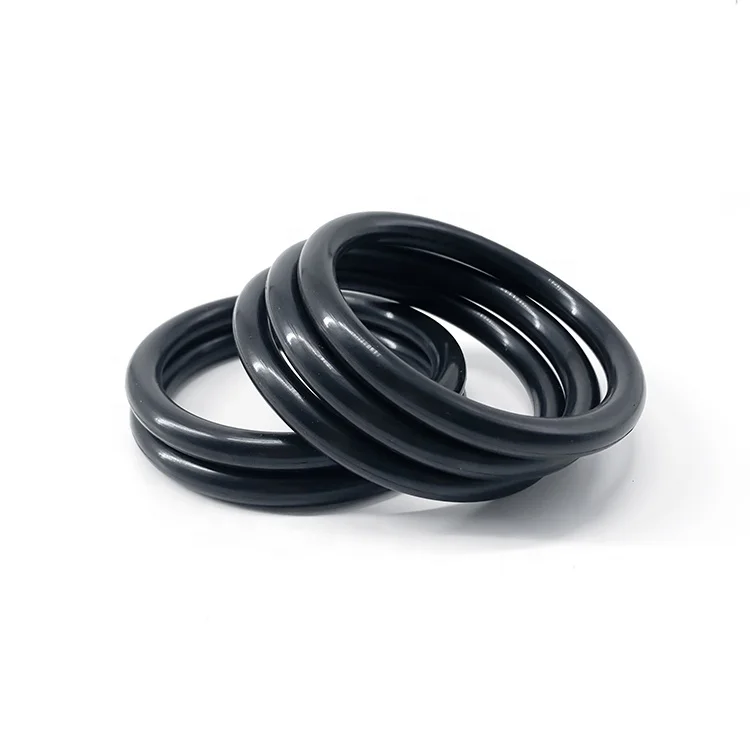
Use of EPDM Gaskets in brine piping systems to provide superior resistance to salt corrosion and UV exposure in coastal environments.

3. Urban Water Grid Maintenance

Implementation of Pipeline Rubber Plugs for temporary isolation and pressure testing of aging water distribution networks in Sana'a.

4. Industrial Power Generators

Application of Dustproof Rubber Plugs for control panels and junction boxes to prevent fine desert silt from causing short circuits in diesel generators.

5. Chemical Storage Facilities

Installation of Corrosion Resistant Gaskets in storage tank flanges to prevent leakage of corrosive industrial solvents used in local manufacturing.

Brand Story

Global Development Journey of Shijiazhuang Beike Sealing Technology Co., Ltd.

Foundational Excellence

Established with a vision to solve the most difficult sealing challenges in the rubber industry, focusing on material purity and precision molding.

Material Innovation

Developed proprietary FKM and EPDM blends that outperformed international standards in extreme thermal and chemical tests.

Global Market Expansion

Extended our reach to the Middle East and Asia, adapting our product lines to meet the specific climatic needs of regions like Yemen.

Certification & Quality

Achieved global ISO certifications, ensuring every rubber part produced meets rigorous safety and durability benchmarks.

Sustainable Future

Now leading the transition toward eco-friendly elastomers and smart sealing solutions for the next generation of global industry.

Frequently Asked Questions for Yemen Industrial Users

Expert answers to common technical queries regarding rubber sealing in harsh environments.

Which material is best for Corrosion Resistant Gaskets in coastal Yemen?

For coastal areas like Aden, we recommend EPDM or FKM depending on the chemical exposure. EPDM is excellent for salt air and water, while FKM is required for oil and chemical resistance.

How do FKM Gaskets handle the extreme heat of the Yemeni desert?

FKM (Viton) is specifically engineered for high-temperature stability, maintaining its seal and elasticity at temperatures where standard rubbers would melt or harden.

Can EPDM Gaskets be used in oil extraction pipelines?

No, EPDM is not recommended for hydrocarbon applications. For oil and gas pipelines, FKM is the industry standard due to its superior chemical compatibility with fuels.

What is the lifespan of Pipeline Rubber Plugs in high-pressure systems?

Lifespan depends on the material and pressure cycle. Our high-grade plugs are designed for repeated use, provided they are inspected for abrasions after each deployment.

Do Dustproof Rubber Plugs protect against fine desert sand?

Yes, our plugs create a hermetic seal that prevents the ingress of microscopic particles, which is essential for protecting electrical components in arid regions.

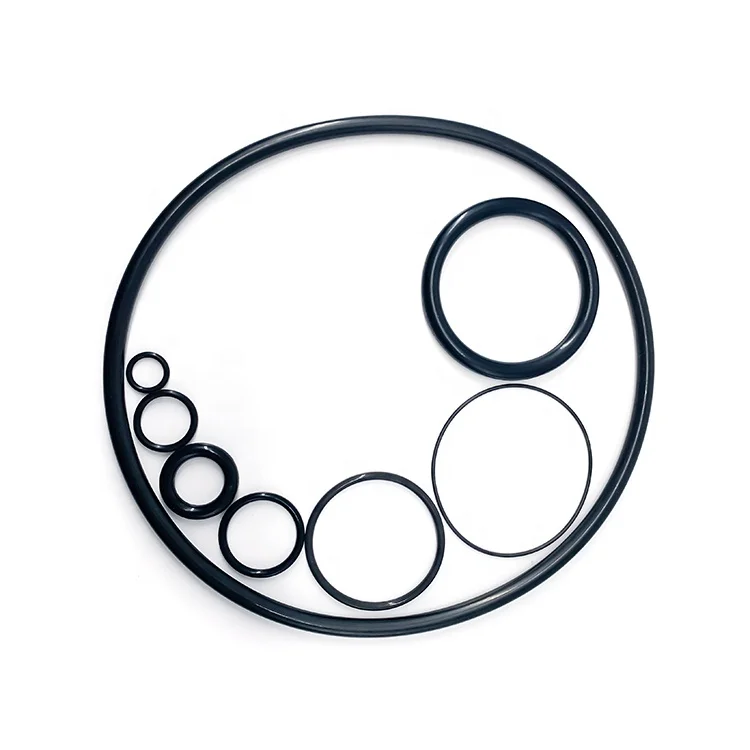
How to choose between different types of Corrosion Resistant Gaskets?

Selection should be based on three factors: the chemical medium being sealed, the maximum operating temperature, and the pressure levels of the system.

Get Expert Sealing Advice Today

Our engineers are ready to help you optimize your industrial infrastructure in Yemen with the right rubber components.

Contact Us Now

If you are interested in our products, you can choose to leave your information here, and we will be in touch with you shortly.