Industrial Sealing Solutions for FKM Gaskets in Central African Republic
  • Home
  • Global Service

Industrial Sealing Solutions for FKM Gaskets in Central African Republic

Providing high-performance rubber components engineered to withstand the extreme tropical humidity and corrosive industrial environments of the CAR region.

Industrial Sealing Solutions for FKM Gaskets in Central African Republic

Our specialized range of rubber parts provides unparalleled durability for the mining, oil, and infrastructure sectors across the Central African Republic, ensuring zero-leakage and maximum equipment lifespan.

Rubber Component Challenges in Central African Republic

Analyzing the impact of equatorial climates on industrial sealing performance.

In the Central African Republic, the combination of high ambient temperatures and extreme humidity accelerates the degradation of standard rubber materials. Industries relying on EPDM Gaskets often face premature weathering and ozone cracking, which leads to costly unplanned downtime in critical infrastructure.

The local mining and petroleum sectors struggle with chemical aggression. The use of low-grade seals in corrosive environments necessitates the adoption of Corrosion Resistant Gaskets to prevent toxic leaks and ensure the structural integrity of pipelines transporting raw materials through dense jungle terrains.

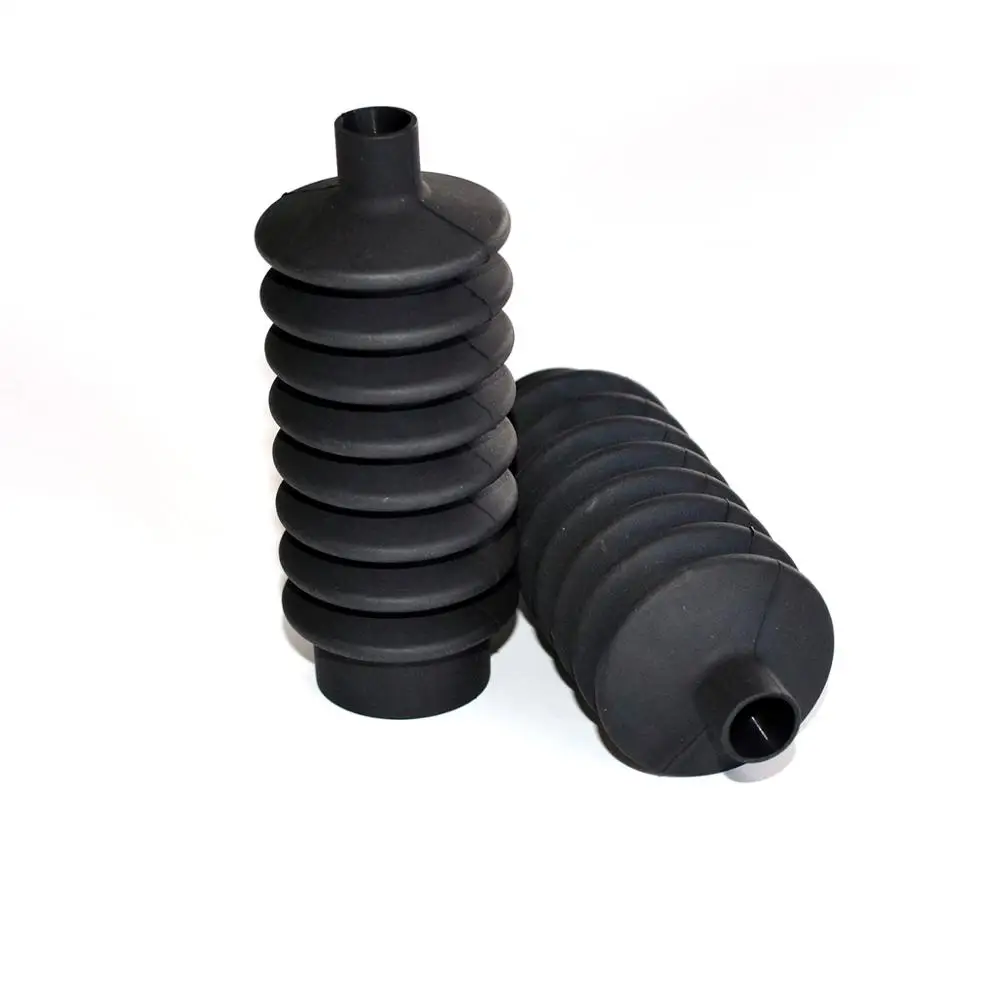
Furthermore, the prevalence of fine particulate matter and dust in the CAR region requires specialized sealing. The lack of high-quality Dustproof Rubber Plugs in the local market often results in the contamination of sensitive electrical components and hydraulic systems, increasing maintenance overheads.
Evolution of Rubber Part Manufacturing in CAR

From basic natural rubber to advanced synthetic polymers.

Market Development History

Historically, from the 1980s to the early 2000s, the Central African Republic relied heavily on locally sourced natural rubber or generic imported seals. These materials lacked the technical specifications required for high-pressure systems, leading to frequent failure in industrial pipelines.

Between 2010 and 2020, there was a significant shift toward synthetic elastomers. The introduction of Pipeline Rubber Plugs specifically designed for hydraulic isolation allowed for more sophisticated maintenance of the nation's growing water and oil networks.

Currently, the market is entering a phase of "Material Precision." There is an increasing demand for fluoroelastomers and high-performance polymers that can handle both chemical resistance and thermal stability, moving away from "one-size-fits-all" rubber solutions.

Future Development Trends

Transition to Nano-Composite Materials

We anticipate a shift toward rubber compounds infused with nano-silica to enhance tear strength and abrasion resistance for the heavy-duty mining sector in CAR.

Sustainable Bio-Elastomers

Following global Google search trends for "Eco-friendly Industrial Rubber," there is a growing trajectory toward biodegradable but durable sealing solutions to protect the CAR basin's biodiversity.

Smart Sealing Monitoring

The integration of sensor-embedded gaskets that provide real-time wear data will likely emerge as a standard for high-value petroleum assets in the region.

Future Trends and Strategic Outlook

Driving industrial efficiency through advanced rubber engineering.

Extreme Thermal Resistance
Developing compounds that maintain elasticity from 20°C to 200°C to suit CAR's industrial heat cycles.
Chemical Inertness
Expanding FKM and PTFE blends to resist aggressive acids used in local mineral processing.
Anti-Microbial Surfaces
Implementing anti-fungal rubber additives to prevent mold growth in CAR's humid jungle environments.
Modular Sealing Systems
Standardizing part sizes for rapid replacement in remote CAR mining sites to reduce logistics lead times.

Industry Outlook

The rubber parts industry in the Central African Republic is poised for a technological leap. As the nation invests in more structured mining and energy infrastructure, the reliance on generic rubber will be replaced by engineered elastomers that offer lower Total Cost of Ownership (TCO).

We expect a 15% annual growth in the demand for high-spec seals as local operators align with international ISO standards for environmental safety and operational leakage control.

Localized Application Scenarios in CAR

Real-world deployments of high-performance rubber components.

1. Mining Mineral Processing Plants

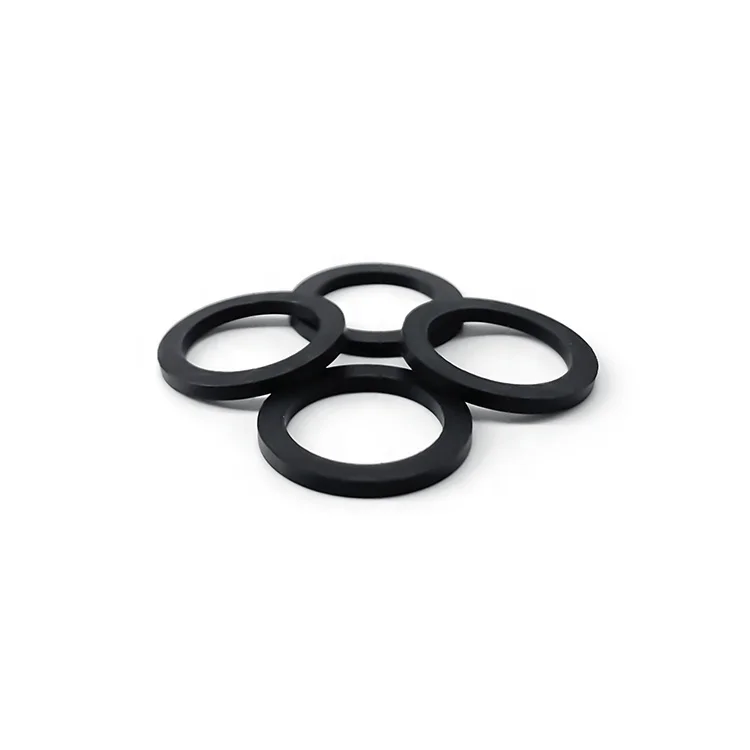
Deployment of Corrosion Resistant Gaskets in leaching tanks and chemical conveyors to withstand acidic slurry and prevent environmental contamination.

2. Oil and Gas Extraction Pipelines

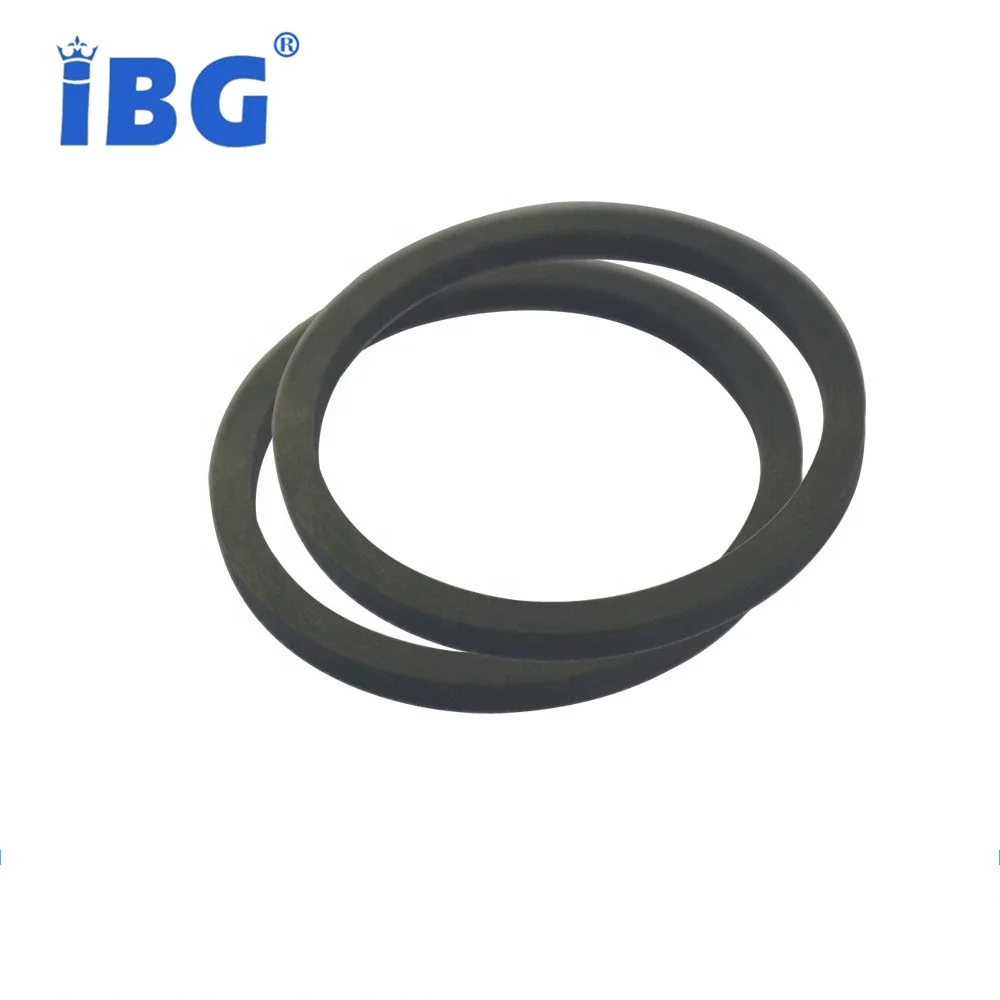
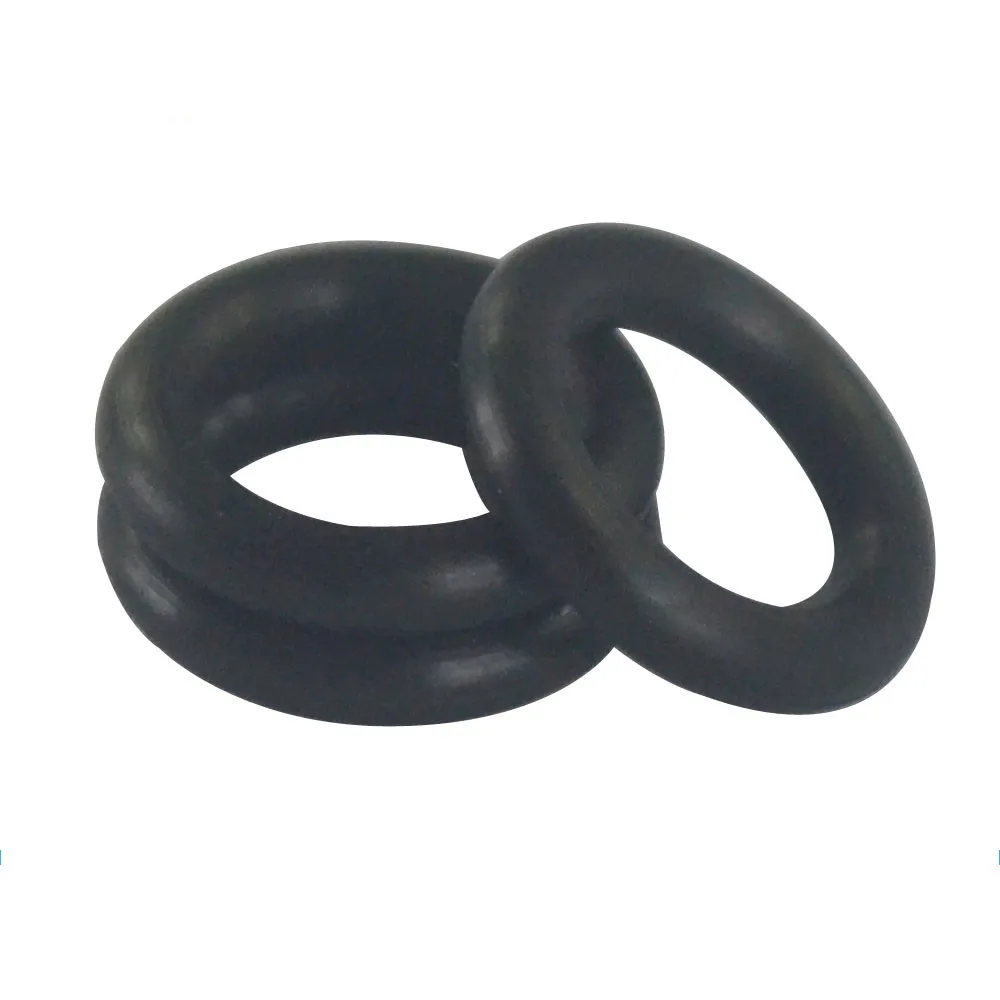
Using FKM Gaskets in high-pressure valve assemblies to ensure seal integrity against hydrocarbons in varying equatorial temperatures.

3. Urban Water Distribution Networks

Installation of Pipeline Rubber Plugs for sectional isolation during the rehabilitation of Bangui's aging water infrastructure.

4. Heavy Machinery Electrical Cabinets

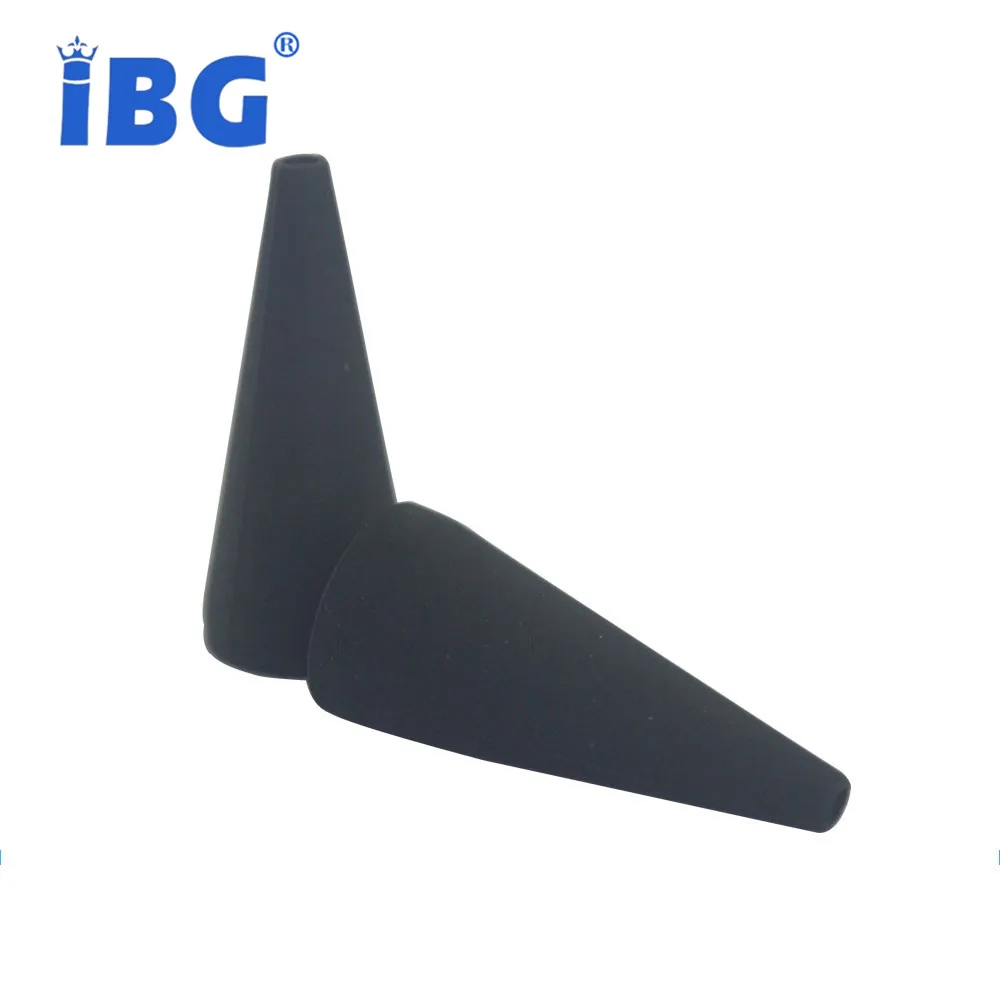
Application of Dustproof Rubber Plugs to protect control panels of excavators and generators from the fine laterite dust common in the region.

5. Agricultural Irrigation Systems

Integration of EPDM Gaskets in large-scale irrigation pumps to provide UV resistance and weather-proofing against heavy tropical rains.

Brand Story

Global Development History of Shijiazhuang Beike Sealing Technology Co., Ltd.

Foundational Engineering

Established with a focus on precision rubber molding, we began by solving basic leakage problems for domestic industrial plants.

Material Innovation

We expanded our R&D to include fluoroelastomers and specialized EPDM blends, targeting extreme environment applications.

Global Market Expansion

By optimizing logistics and quality control, Beike Sealing reached the African market, addressing the unique needs of CAR's industry.

Quality Certification

Achieved international certifications ensuring our seals meet global standards for pressure, heat, and chemical resistance.

Industry Leadership

Today, we provide comprehensive sealing ecosystems that eliminate operational downtime for the world's most challenging environments.

Industrial Sealing FAQ - CAR Region

Technical answers for rubber part selection and maintenance.

How to choose between FKM and EPDM gaskets for tropical climates?

For high-temperature oil or chemical exposure, FKM is superior. For outdoor weather resistance and water systems in humid areas, EPDM is the recommended choice.

Can Corrosion Resistant Gaskets handle high-pressure acid leaching?

Yes, our specialized corrosion-resistant compounds are engineered to maintain structural integrity under high pressure and aggressive pH levels found in mineral processing.

What is the lifespan of Pipeline Rubber Plugs in CAR water systems?

Depending on the water quality and pressure, our plugs typically last 5-10 years, provided they are installed using the correct torque specifications.

Do Dustproof Rubber Plugs protect against fine laterite dust?

Absolutely. Our plugs are designed with a tight compression fit specifically to prevent microscopic particulates from entering electrical housings.

How do I prevent rubber gaskets from cracking in the CAR sun?

Utilize UV-stabilized materials like EPDM or provide mechanical shielding. Regular inspections for ozone cracking are recommended every six months.

Are these rubber parts compatible with international ISO standards?

Yes, all our components are manufactured according to strict international quality standards, ensuring compatibility with global machinery brands.

Request Your Technical Consultation

Our engineering team is ready to help you optimize your sealing systems in Central African Republic.

Contact Us Now

If you are interested in our products, you can choose to leave your information here, and we will be in touch with you shortly.