Comprehensive Guide to High Temperature ORings for Optimal Sealing Performance
High Temperature O-Rings: A Comprehensive Guide
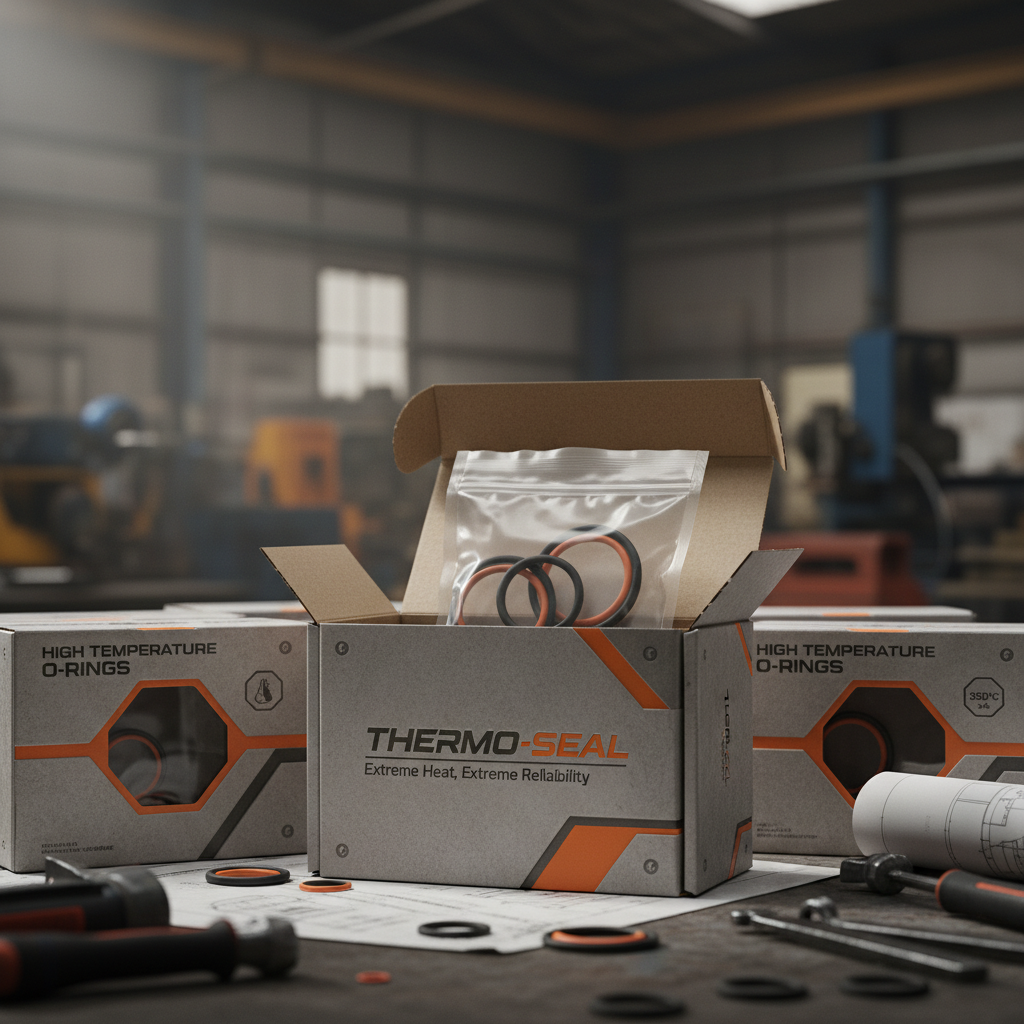
When operating in demanding environments with elevated temperatures, standard O-rings often fail to deliver reliable sealing performance. High temperature O-rings are specifically engineered to withstand these conditions, offering exceptional durability and preventing leaks. This article explores the materials, applications, benefits, and key considerations for selecting the right high temperature O-ring for your specific needs. Choosing the correct O-ring is vital for preventing costly downtime and ensuring the safe and efficient operation of your equipment.
Understanding High Temperature O-Ring Materials
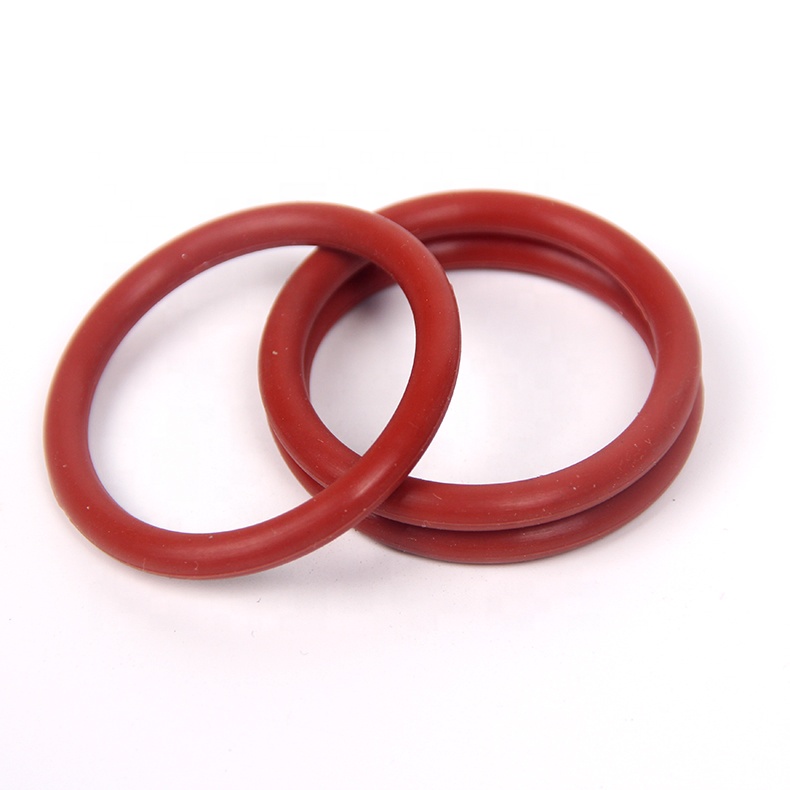
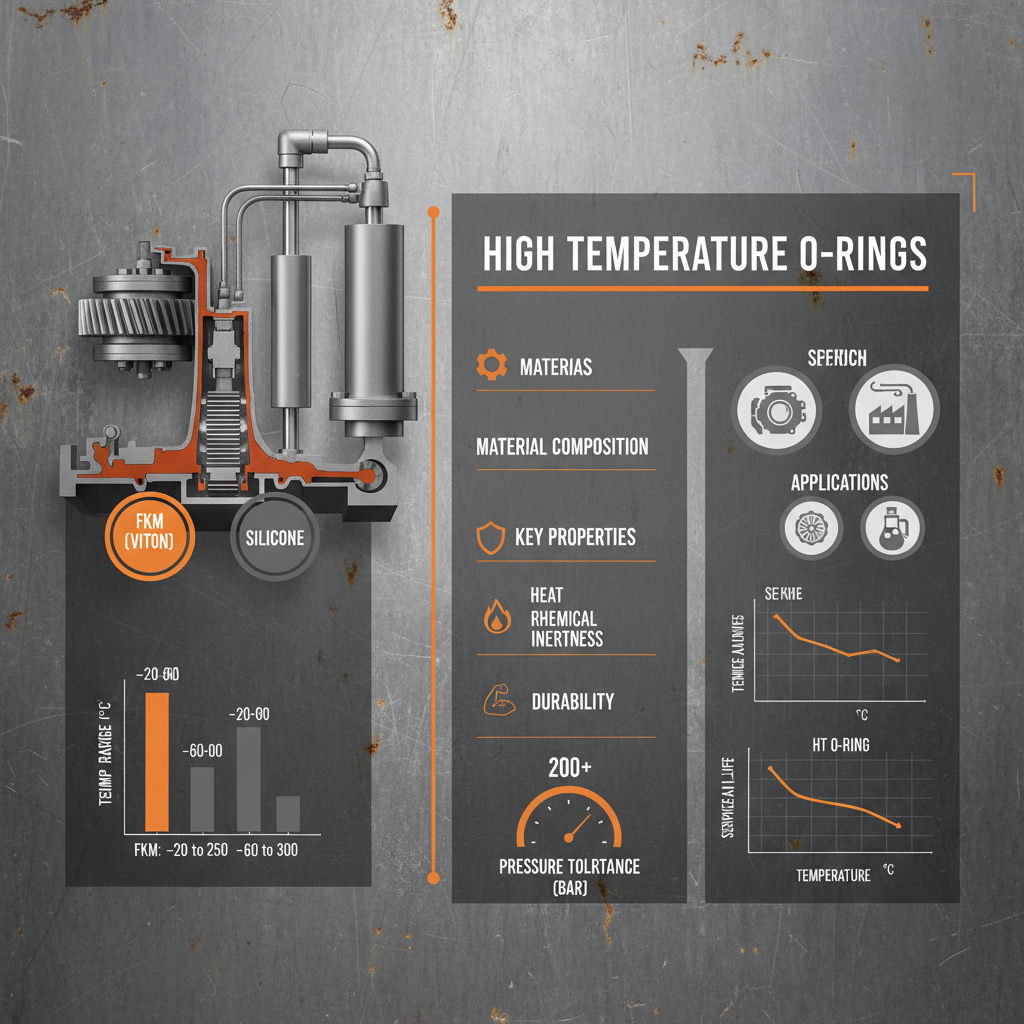
The key to a high temperature O-ring's performance lies in the material it's made from. While standard nitrile rubber (NBR) O-rings are suitable for many applications, they degrade quickly at elevated temperatures. Materials like Viton (FKM), Silicone (VMQ), and PTFE are commonly used for high-temperature applications. Each material offers different strengths and weaknesses regarding temperature range, chemical compatibility, and cost. Viton, for example, exhibits excellent resistance to oils and fuels but can be more expensive. Silicone is great for extremely high temperatures, but has limited resistance to petroleum-based products. PTFE offers broad chemical resistance and can operate at very high temperatures, but it has lower resilience than elastomers.
Key Considerations: Selecting the right material hinges on the operating temperature, the fluids involved, and the required lifespan. Careful consideration of these factors will maximize performance and minimize the risk of failure.
Applications of High Temperature O-Rings
High temperature O-rings are essential in a wide variety of industries and applications. These include automotive engines (sealing fuel injectors and turbochargers), aerospace systems (sealing hydraulic lines and engine components), oil and gas exploration (downhole sealing), chemical processing (sealing pumps and valves handling hot chemicals), and food processing (sealing equipment operating under sanitary conditions). They are also frequently found in industrial ovens, heat exchangers, and steam systems where consistent sealing at high temperatures is critical.
Key Application Areas:
• Automotive Engine Sealing
• Aerospace Hydraulic Systems
• Oil and Gas Downhole Equipment
• Chemical Processing Valves & Pumps
High Temperature O-Ring Materials Comparison
Choosing the right material requires a clear understanding of their properties. The table below provides a comparison of common high-temperature O-ring materials. This will help you determine which material is best suited for your application. It's important to consider all factors, including temperature, chemical compatibility, and budget, when making your selection.
Factors Affecting High Temperature O-Ring Performance
Beyond material selection, several factors influence the lifespan and performance of high temperature O-rings. These include the pressure exerted on the seal, the presence of abrasive particles, and the frequency of thermal cycling (rapid temperature changes). Proper installation techniques, including lubrication and careful handling, are also crucial. Regularly inspecting O-rings for signs of degradation, such as cracking, swelling, or hardening, can help prevent unexpected failures. Maintaining a well-designed sealing system with appropriate hardware and gland design will further enhance reliability.
Choosing a Reliable Supplier: Beikesealing
Sourcing high-quality high temperature O-rings from a reputable supplier is critical. Beikesealing offers a comprehensive range of high-temperature O-rings in various materials and sizes, manufactured to exacting standards. We pride ourselves on providing reliable products, competitive pricing, and expert technical support to help you select the optimal sealing solution for your application. Our commitment to quality and customer satisfaction ensures you receive the best possible product and service.
Conclusion: Ensuring Reliable Sealing at High Temperatures
Investing in the correct high temperature O-rings from a trusted supplier like Beikesealing is essential for maintaining the integrity and performance of your critical equipment. By understanding the material properties, applications, and influencing factors, you can make informed decisions that minimize downtime and maximize operational efficiency.
Frequently Asked Questions (FAQs)
What is the maximum temperature I can expect from a Viton O-ring?
Viton (FKM) O-rings typically maintain their properties up to around 200°C (392°F) for extended periods. However, short-term exposure to slightly higher temperatures may be possible, but this can significantly reduce the O-ring’s lifespan. The specific temperature limit also depends on the Viton grade and the presence of other fluids. Selecting the right Viton grade for your application is crucial. It's best to consult with a sealing specialist at Beikesealing to determine the optimal material for your temperature requirements.
How do I know if my O-ring is degrading?
Several signs indicate O-ring degradation. These include visible cracks, swelling or shrinkage, hardening or becoming brittle, and a loss of elasticity. If the O-ring is exposed to chemicals, discoloration or surface tackiness can also be signs of deterioration. Regular visual inspections are key. If you notice any of these symptoms, replace the O-ring immediately to prevent leaks and equipment failure.
Are there any special considerations for installing high temperature O-rings?
Yes, proper installation is critical. Always use a compatible lubricant specifically designed for high-temperature applications. Avoid twisting or stretching the O-ring during installation. Ensure the mating surfaces are clean and free of debris. Inspect the gland design to ensure it provides adequate support and compression. Following these guidelines will help ensure a reliable seal and prevent premature failure. Beikesealing offers detailed installation guides and support.