• Home
  • Top Blog
0%

Table of Contents

Look, I’ve spent the last fifteen years crawling around construction sites, elbows deep in concrete dust and grease. I've seen things fail. And when things fail on a job site, it’s not just an inconvenience; it’s money, time, and potentially, someone’s safety. That's why understanding Pump Sealing Rings isn’t just about technical specs; it's about the whole operation. These little rings are the unsung heroes keeping everything flowing, and frankly, a lot of projects live or die by their performance. They’re not glamorous, but get them wrong, and you’ll be looking at downtime and costly repairs.

We’re talking about a global industry here. The demand for reliable fluid transfer is constant, driven by everything from infrastructure projects in developing nations to keeping massive refineries online. The UN estimates over a billion people lack access to reliable water – a problem that pumps and, critically, their seals, directly impact. The ISO standards are increasingly stringent, demanding higher performance and longer lifecycles. It’s not enough to just have a seal; you need one that’s robust, dependable, and can stand up to the increasingly harsh conditions we’re throwing at them.

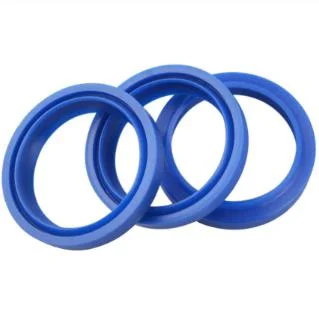
Essentially, a Pump Sealing Ring is the barrier between what you want to stay inside your pump and what you don't. It's a crucial component preventing leakage and maintaining pressure. It seems simple, but the complexity comes in the variety of fluids, temperatures, pressures, and speeds these rings have to handle. From water treatment plants ensuring clean drinking water to oil pipelines delivering energy, these rings are essential to modern industry, and honestly, vital for basic humanitarian needs.
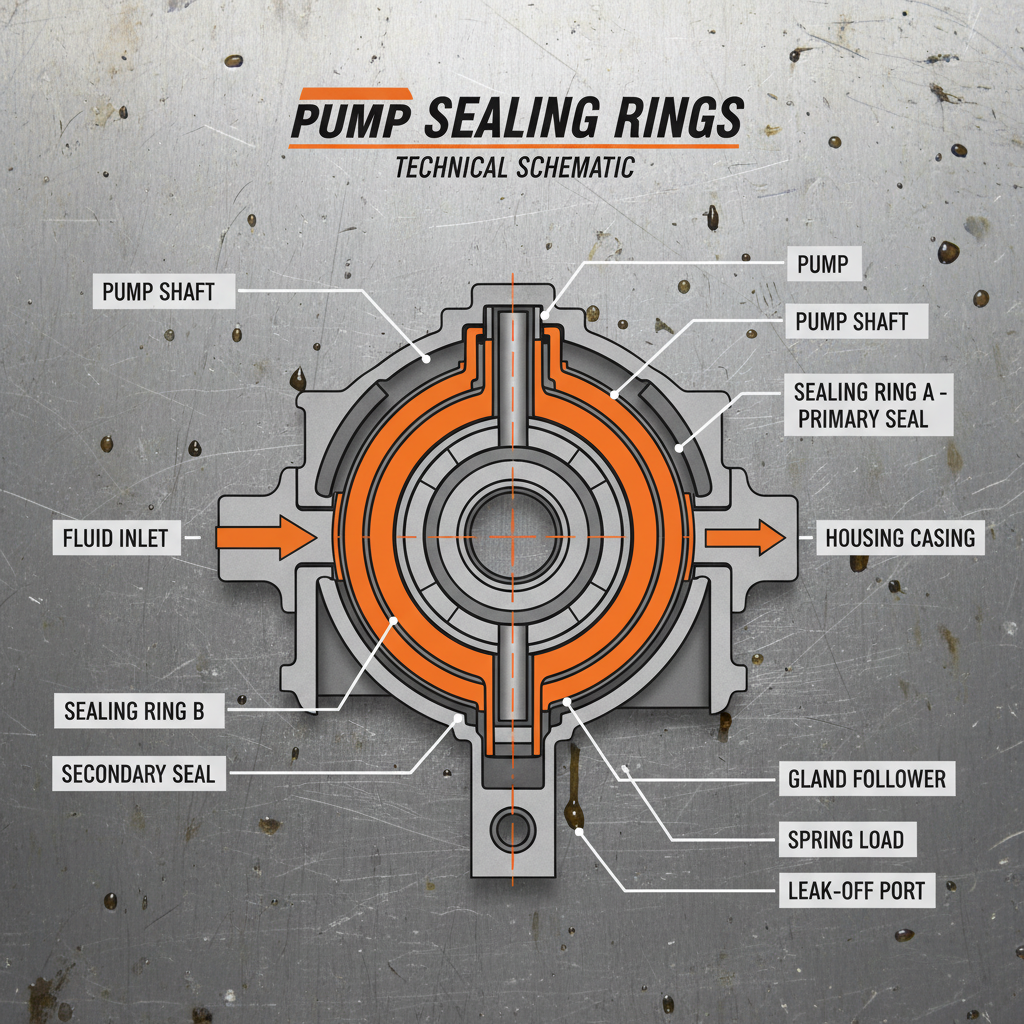
Pump Sealing Rings

Key Factors in Pump Sealing Ring Performance
Pump Sealing Rings

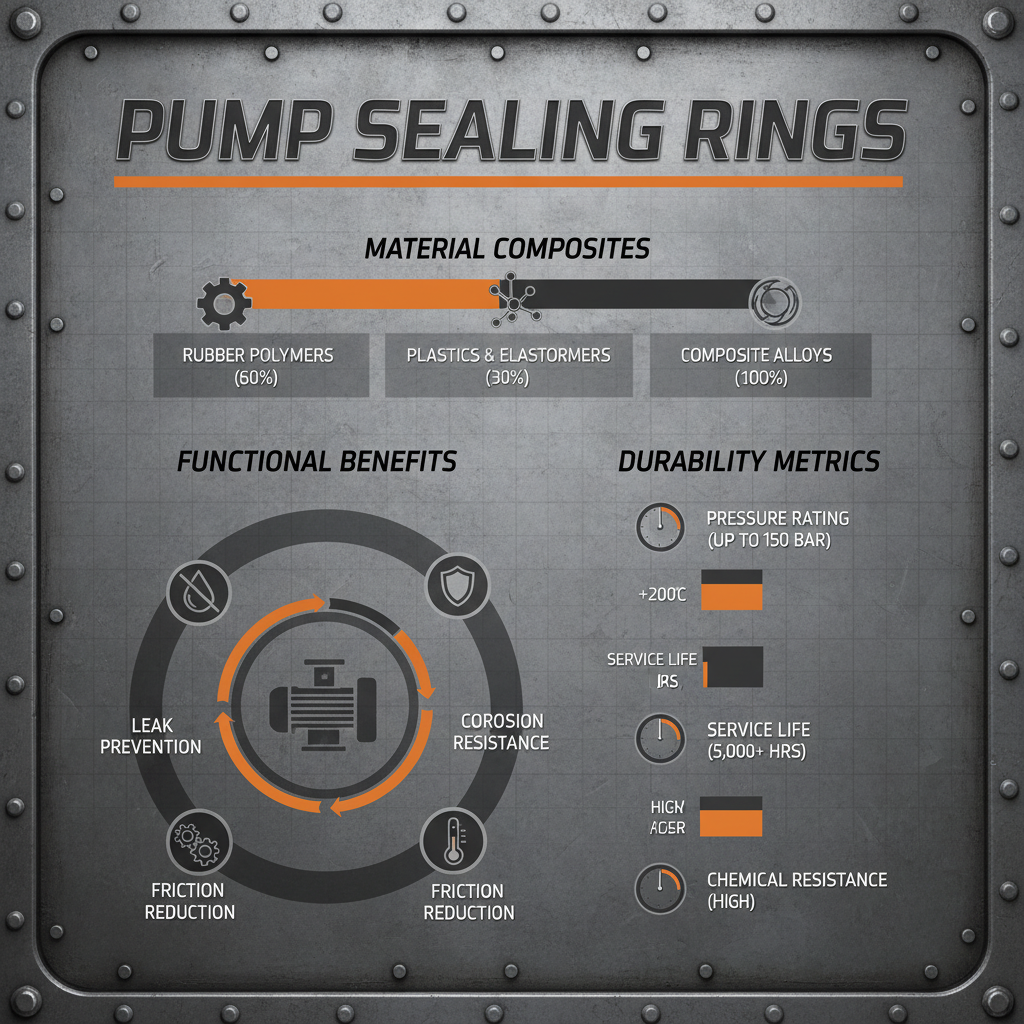
First, material compatibility is huge. You can have the best-designed ring in the world, but if it's not compatible with the fluid it’s sealing, it’s going to degrade quickly. We’re talking about everything from aggressive chemicals to abrasive slurries. Then there’s pressure rating. Every pump has a max pressure; the ring has to handle it, and then some for safety margins. I've seen rings disintegrate under pressure, creating a right mess.

Temperature resistance is another big one. Extreme temperatures – both hot and cold – can cause materials to expand, contract, and ultimately fail. You need to select materials that can maintain their integrity across the operating temperature range. And finally, dimensional accuracy – a slightly off-spec ring won’t seat properly and will leak, plain and simple. We're talking tolerances measured in microns here.

The Global Reach of Pump Sealing Ring Applications

These rings aren’t just for big industrial operations; they're everywhere. Think about municipal water systems – those rely heavily on pumps and, therefore, sealing rings to deliver clean water to our homes. Oil and gas, chemical processing, power generation, mining… the list goes on. I’ve worked on projects in the Middle East where the heat and the fluids are incredibly demanding, and the reliability of the sealing rings is critical to keeping oil production flowing.

Even in seemingly unrelated fields, they play a role. Food and beverage processing requires sanitary seals, pharmaceuticals need ultra-pure seals, and agriculture relies on pumps for irrigation. The developing world is seeing a huge increase in infrastructure projects, which naturally drives demand for these components. We're supplying rings for desalination plants in North Africa and wastewater treatment facilities in Southeast Asia.

And it’s not just about new installations. Retrofitting existing pumps with higher-performance Pump Sealing Rings is a huge market. Companies are realizing the cost savings from reduced downtime and increased efficiency. It's often a cheaper alternative than replacing the entire pump.

Defining Characteristics of Quality Pump Sealing Rings

What separates a good ring from a bad one? It boils down to material science and manufacturing precision. High-quality rings are made from materials specifically chosen for their chemical resistance, temperature stability, and mechanical strength. We’re talking about things like Viton, PTFE, EPDM, and various grades of rubber. You pay a little more upfront, but you get a significantly longer lifespan and fewer headaches.

The manufacturing process is just as critical. Precision molding, tight tolerances, and rigorous quality control are essential. Look for rings that are consistently dimensionally accurate and free from defects like cracks or voids. A good manufacturer will have full traceability of their materials and processes. I’ve seen too many rings fail because of sloppy manufacturing.

And finally, a reputable supplier will offer technical support and be able to help you select the right ring for your specific application. It’s not a one-size-fits-all situation. They should ask about the fluid, temperature, pressure, and pump speed to ensure you get the optimal solution. Don’t just grab the cheapest ring off the shelf; you’ll regret it.

Assessing Pump Sealing Ring Performance: A Data-Driven Approach

You can’t just assume a ring is working. You need to monitor its performance. Leakage is the obvious indicator, but by the time you see a leak, the ring is already compromised. We use vibration analysis to detect subtle changes that can indicate seal wear. Temperature monitoring can also reveal issues, as friction increases as the seal degrades.

Regular inspections are crucial. I always carry a borescope with me to visually inspect seals without having to disassemble the pump. We also track mean time between failures (MTBF) for each pump and seal type to identify trends and potential problems. It’s all about collecting data and using it to make informed decisions.

Pump Sealing Ring Failure Rate by Material

Real-World Applications of Pump Sealing Rings

I was on a job site last year in a massive copper mine in Chile. The pumps there are running 24/7, pushing abrasive slurry at high pressure. They were constantly battling seal failures, costing them a fortune in downtime. We switched them to a specialized ceramic-reinforced Pump Sealing Ring, and their MTBF shot up. Huge savings.

Then there’s the food processing industry. Everything has to be sanitary, so they need FDA-approved seals made from materials like PTFE. I’ve seen plants that shut down entirely because of a contaminated seal. It’s a serious business.

Long-Term Value and Sustainability of Pump Sealing Rings

Investing in high-quality Pump Sealing Rings isn’t just about avoiding immediate breakdowns; it’s about long-term cost savings and sustainability. Longer-lasting seals mean fewer replacements, less waste, and reduced maintenance costs. That translates to a lower total cost of ownership.


From a sustainability standpoint, reducing waste is huge. A seal that lasts twice as long halves the amount of material that ends up in a landfill. And as regulations become stricter regarding emissions and fluid containment, the importance of reliable sealing will only increase.

Future Trends and Innovations in Pump Sealing Ring Technology

We’re seeing a lot of innovation in materials science. New polymers and composites are constantly being developed with improved resistance to chemicals, temperature, and abrasion. There’s also a push towards “smart seals” with embedded sensors that can monitor their condition in real-time.


Digital twins are becoming more common, allowing engineers to simulate pump performance and optimize seal selection. And with the rise of Industry 4.0 and predictive maintenance, we’ll see more integration of seal data into overall asset management systems.

Summary of Pump Sealing Ring Innovation Trends

Innovation Area Key Technologies Expected Impact Adoption Rate (1-10)
Advanced Materials Graphene-enhanced polymers, Self-healing elastomers Increased durability, Reduced friction 6
Smart Seals Embedded sensors, Wireless communication Predictive maintenance, Real-time monitoring 4
Digital Twins Virtual pump models, Simulation software Optimized seal selection, Performance prediction 7
Additive Manufacturing 3D printing of custom seals Rapid prototyping, Complex geometries 5
Surface Coatings Diamond-like carbon, Ceramic coatings Enhanced wear resistance, Reduced friction 8
AI-Powered Analysis Machine learning algorithms, Data analytics Anomaly detection, Predictive failure analysis 3

FAQS

What is the typical lifespan of a pump sealing ring?

That's a loaded question! It depends massively on the application. A simple water pump might get years out of a ring, while a high-pressure slurry pump might go through one every few months. Material choice is key – Viton lasts longer than Nitrile in many chemical environments. Regular monitoring is the best way to predict failure and schedule replacements proactively. We generally recommend visual inspections every six months and more frequent checks in demanding applications.

How do I choose the right material for my pump sealing ring?

You need to know what fluid you’re sealing, the temperature, and the pressure. Chemical compatibility charts are a good starting point, but it's best to consult with a sealing specialist. They can help you navigate the complexities of different materials and recommend the best option for your specific application. Don’t just guess – a wrong choice can lead to catastrophic failure.

What causes pump sealing ring failure?

There are a bunch of reasons. Abrasive fluids, chemical attack, excessive temperature, and pressure spikes are common culprits. Also, improper installation can damage the ring and lead to premature failure. And sometimes, it's just wear and tear – they’re friction components, after all. Regular maintenance and proper operating procedures can significantly extend their lifespan.

How can I prevent pump leakage caused by sealing rings?

Start with a quality ring from a reputable supplier. Ensure proper installation – follow the manufacturer's instructions to the letter. Monitor the pump's performance regularly and address any issues promptly. Consider implementing a preventative maintenance program that includes seal inspections and replacements. And finally, ensure the pump itself is in good condition – worn bearings or misaligned shafts can put undue stress on the seals.

Are there any sustainable alternatives to traditional pump sealing rings?

Absolutely. We’re seeing more development in bio-based polymers and recyclable materials. Also, longer-lasting seals are inherently more sustainable because they reduce waste and the need for frequent replacements. Choosing a seal with a lower environmental footprint is becoming increasingly important for many companies.

What's the role of surface finish on pump sealing rings?

Surface finish is critical! A rough surface can increase friction and wear, leading to premature failure. A smooth, polished surface creates a better seal and reduces energy loss. The required surface finish depends on the application, but generally, a finer finish is better. We work with manufacturers who specialize in precision surface finishing to ensure optimal performance.

Conclusion

So, there you have it. Pump Sealing Rings might not be the most glamorous part of a pumping system, but they’re arguably the most critical. Choosing the right ring, installing it correctly, and monitoring its performance are all essential for ensuring reliable and efficient operation. Understanding these factors can save you time, money, and a whole lot of headaches.

The industry is evolving, with new materials and technologies constantly emerging. Staying informed and partnering with knowledgeable suppliers is key to maximizing the value of these crucial components. Don't underestimate the power of a good seal - it can be the difference between a smooth-running operation and a costly shutdown.

Michael Wilson

Michael Wilson

Michael Wilson is a Product Development Engineer with Shijiazhuang Beike Sealing Technology, focused on innovative rubber part design. He’s been with the company for 5 years, initially specializing in mold design and now leading the development of new FFKM O-ring solutions. Michael collaborates closely with the R&D center, leveraging their
Previous HighPerformance Hydraulic Sealing Rings
Next ​Advanced Solutions Rubber Seals Supplier at China International Rubber Technology Exhibition

If you are interested in our products, you can choose to leave your information here, and we will be in touch with you shortly.