Essential Guide to Dustproof ORings for Industrial Applications
Understanding and Selecting the Right Dustproof O-Rings
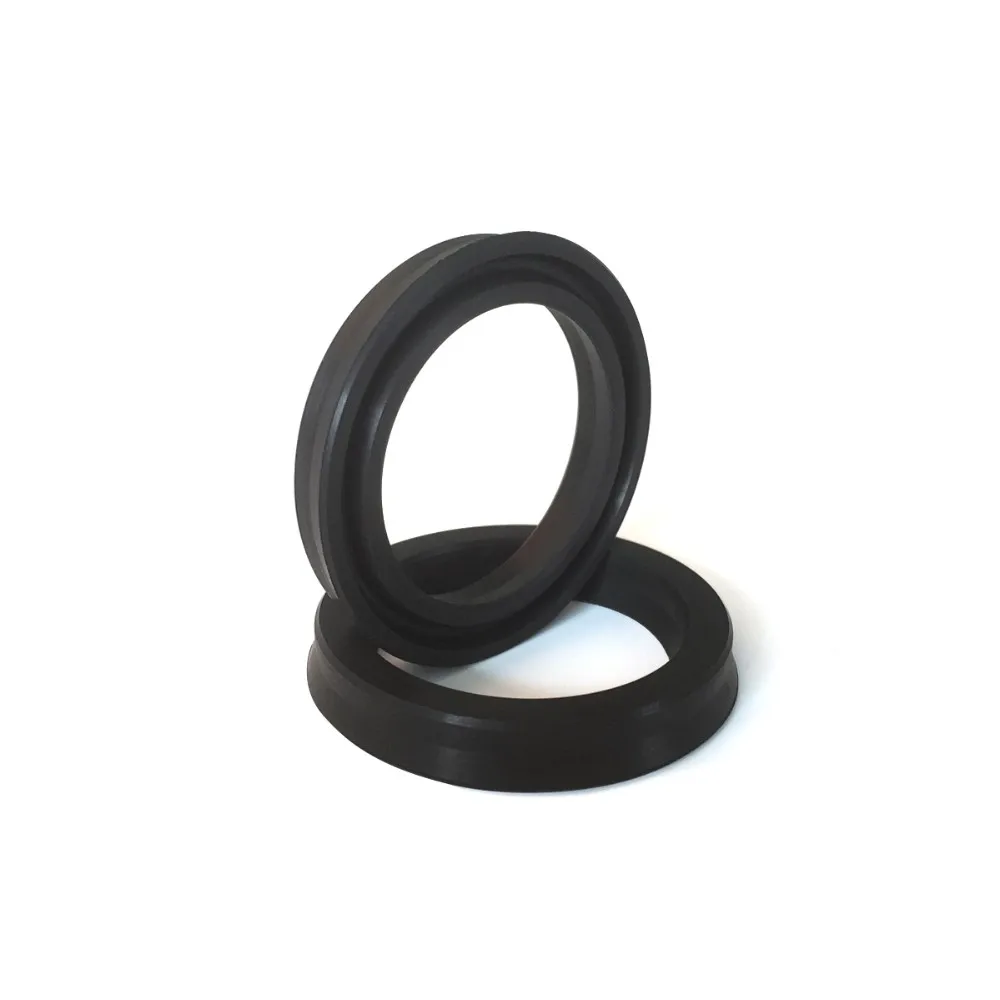
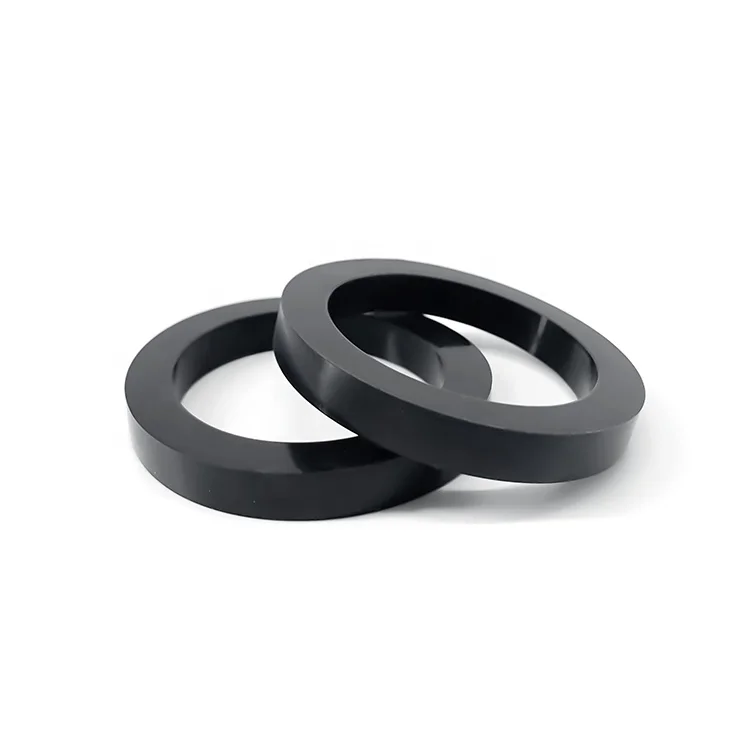
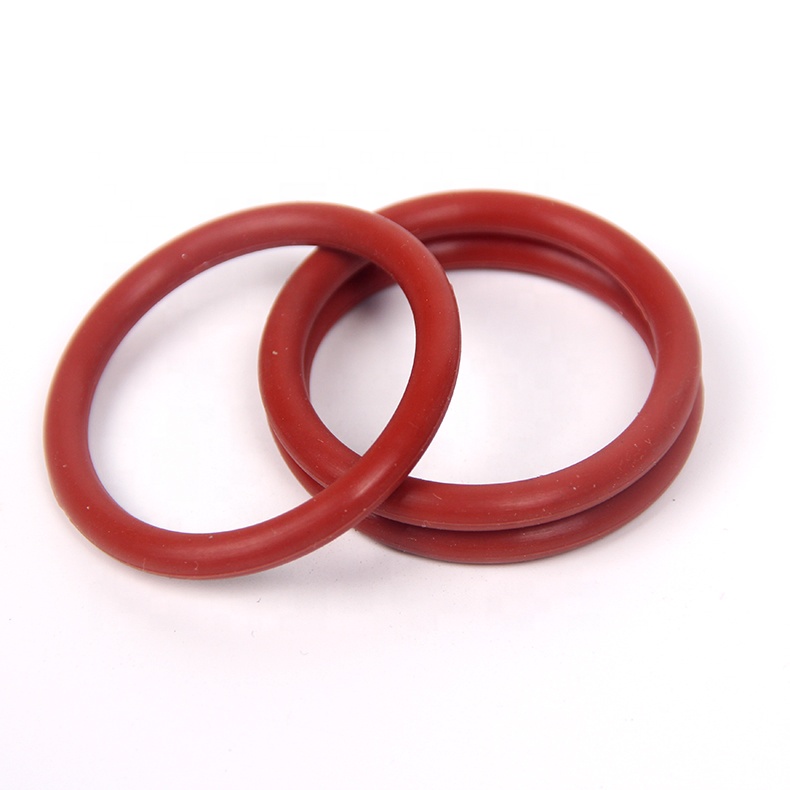
In numerous industrial applications, maintaining a seal against dust, dirt, and other contaminants is critical for operational efficiency and longevity of equipment. Dustproof O-rings play a vital role in achieving this, providing a reliable barrier against particle ingress. This article will explore the importance of dustproof O-rings, materials commonly used, applications, and factors to consider when selecting the best O-ring for your specific needs. Choosing the right seal can significantly reduce downtime and maintenance costs.
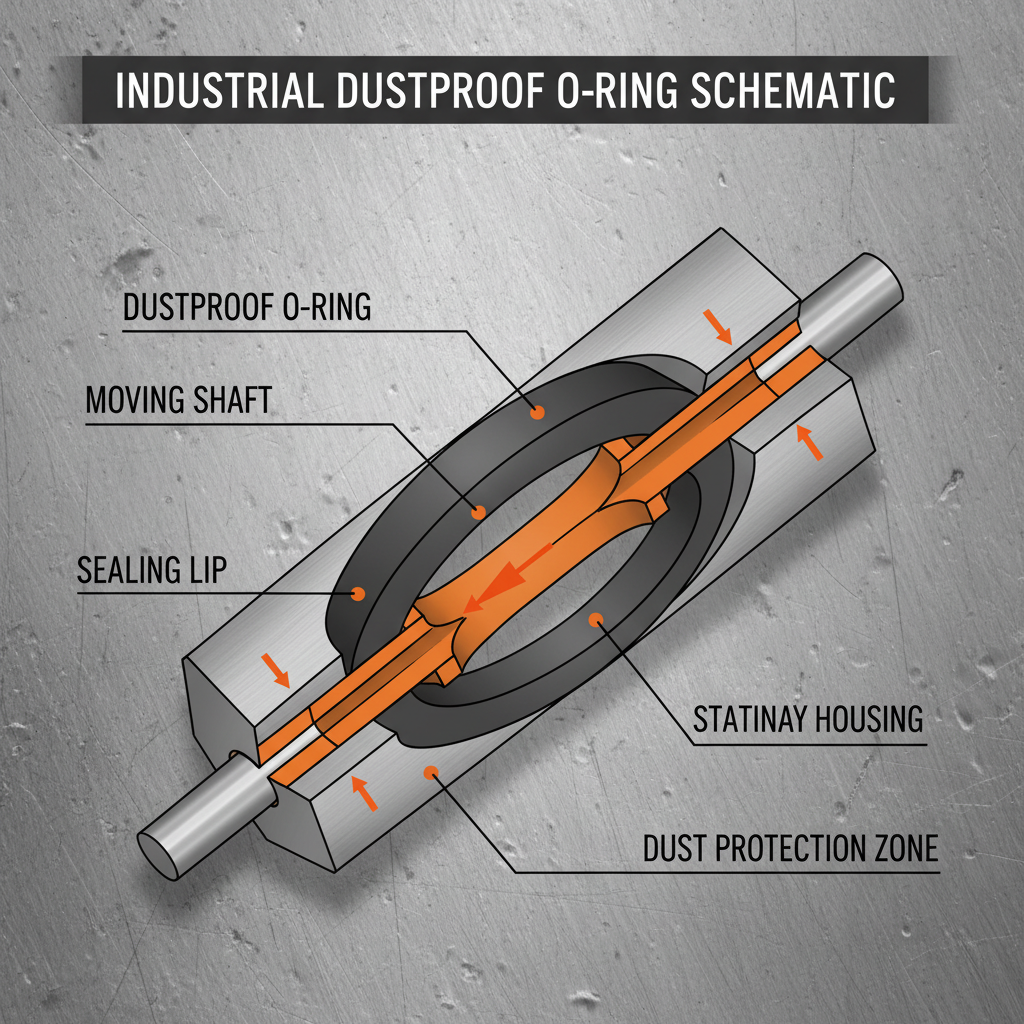
Why Dustproof O-Rings Are Essential
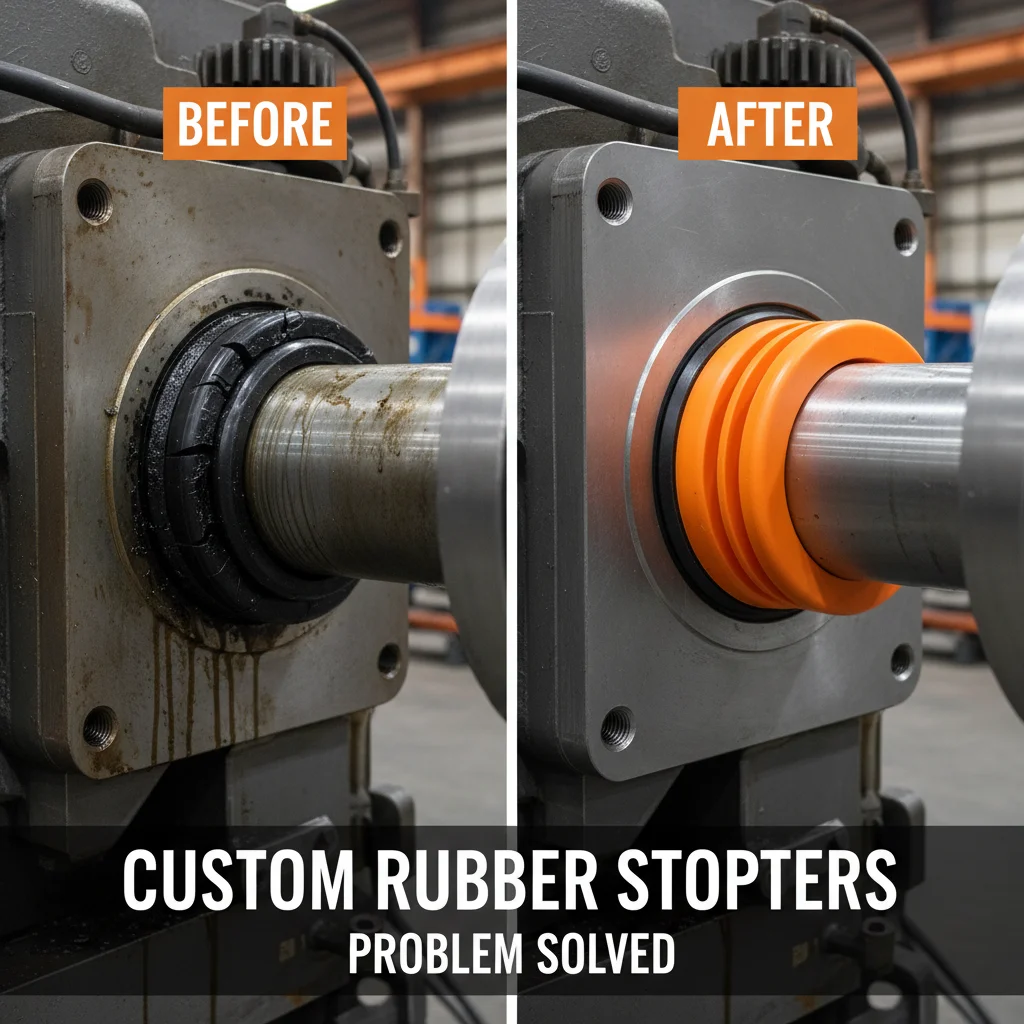
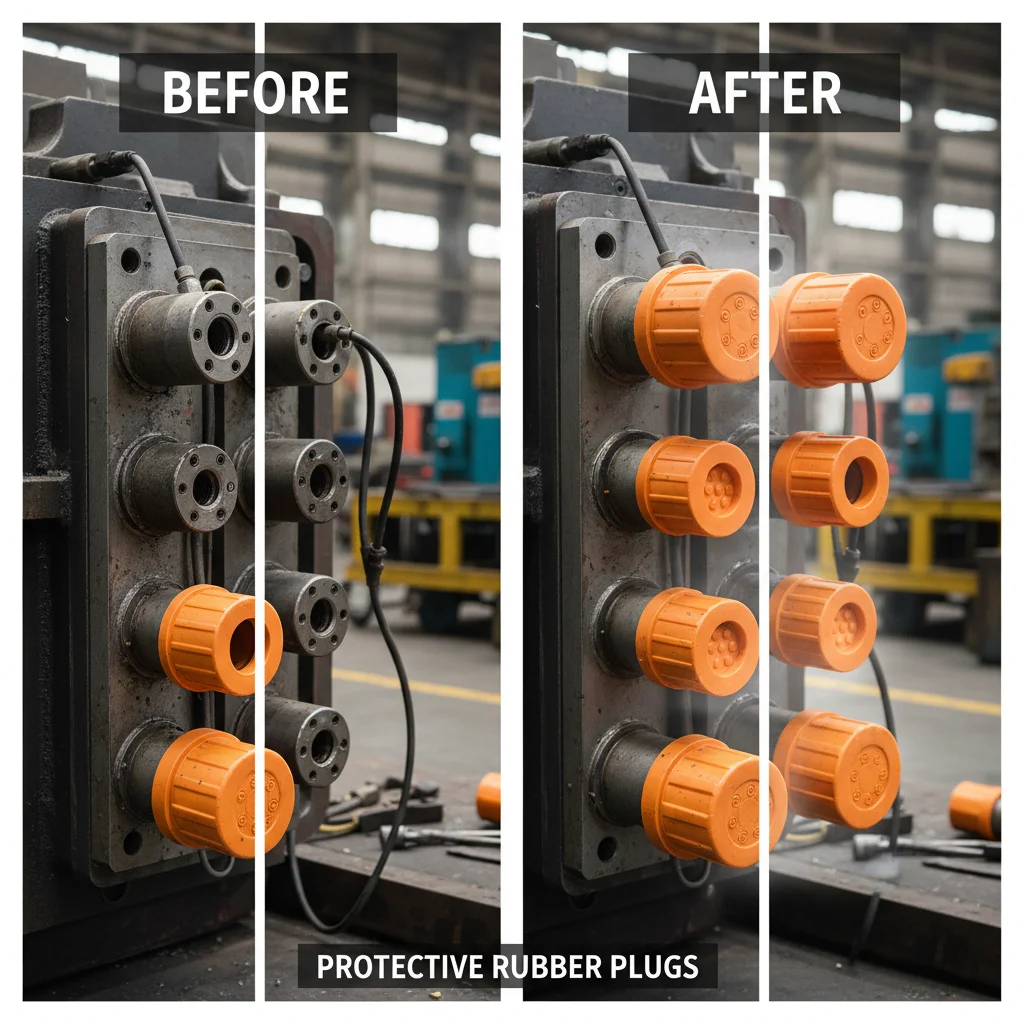
Dustproof O-rings are designed to prevent the entry of particulate matter into sensitive machinery and systems. Contamination can lead to increased wear and tear, reduced performance, and even catastrophic failures. Industries such as automotive, aerospace, food processing, and pharmaceutical manufacturing rely heavily on these seals to maintain product quality and ensure reliable operation. They’re especially crucial in environments with high levels of airborne dust or abrasive particles. The superior sealing capability of these rings minimizes the risk of system malfunctions and ensures a longer lifespan for critical components.
Key Benefits: Prevent contamination, reduce wear, enhance performance, extend equipment lifespan, and ensure product quality.
Common Materials Used in Dustproof O-Rings
The choice of material significantly impacts the effectiveness of a dustproof O-ring. Common materials include:
- Nitrile Rubber (NBR): Excellent resistance to oil, fuel, and water, making it ideal for general-purpose applications.
- Silicone Rubber (VMQ): Wide temperature range and good resistance to weathering and ozone. Suitable for food and medical applications.
- Fluorocarbon Rubber (FKM/Viton): Superior resistance to high temperatures, chemicals, and fuels. Often used in demanding aerospace and automotive environments.
- Ethylene Propylene Diene Monomer (EPDM): Excellent resistance to heat, ozone, and weathering. Often used in outdoor applications and water systems.
Material Selection Guide:
• Oil Resistance: NBR, FKM
• High Temperature: FKM, Silicone
• Water Resistance: EPDM, NBR
• Food Grade: Silicone
Applications of Dustproof O-Rings
Dustproof O-rings are deployed in a remarkably diverse array of applications. Key areas include:
- Automotive Industry: Sealing wheel bearings, transmissions, and engine components.
- Aerospace Industry: Protecting critical aircraft systems from dust and debris.
- Food Processing Equipment: Maintaining hygienic seals in pumps, valves, and mixers.
- Pharmaceutical Manufacturing: Ensuring sterile environments in drug production machinery.
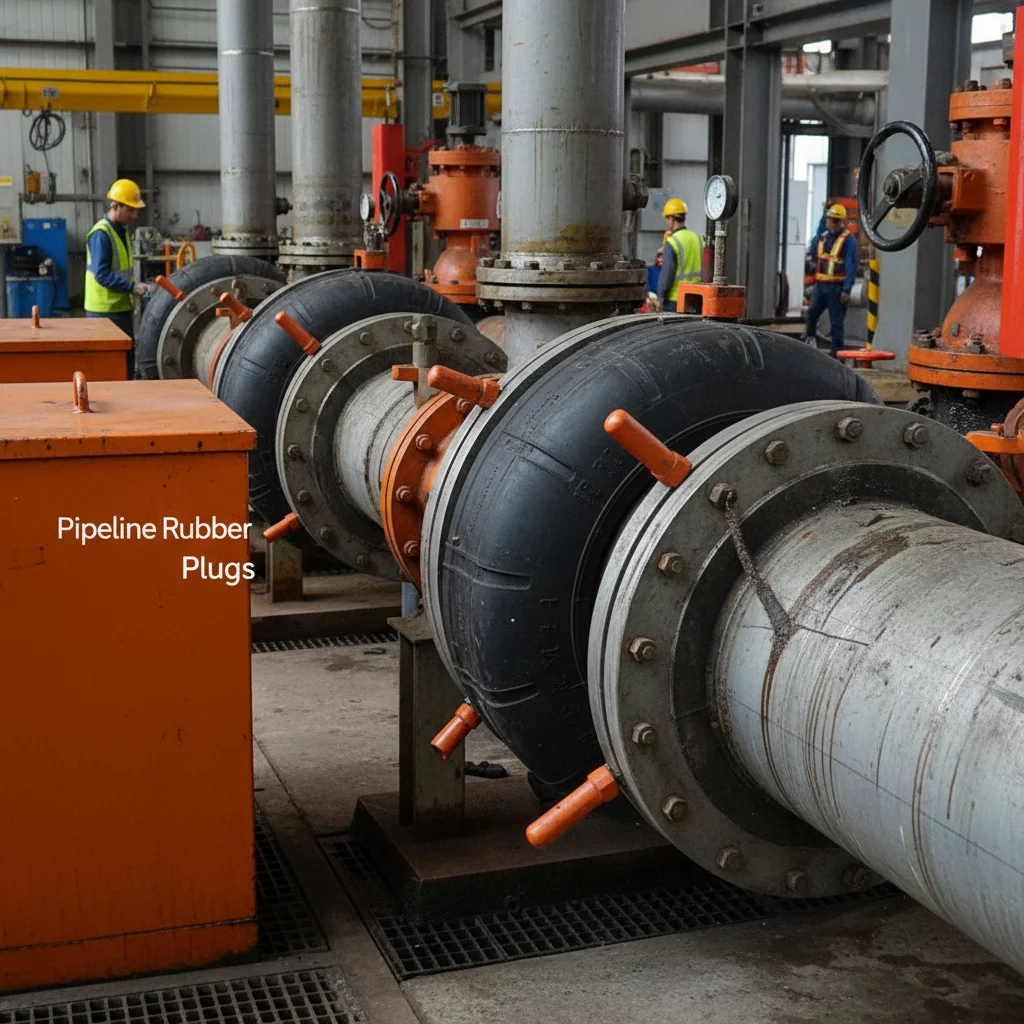
- Industrial Machinery: Sealing pumps, compressors, and hydraulic systems.
Factors to Consider When Selecting Dustproof O-Rings
Choosing the correct dustproof O-ring requires careful consideration of several factors. These include operating temperature, pressure, media compatibility (the substance the O-ring will be exposed to), and the required durometer (hardness). Proper sizing is also essential to ensure a tight and effective seal. Consider the dynamic and static sealing requirements of the application. Dynamic seals, which move with the components, require materials with better wear resistance.
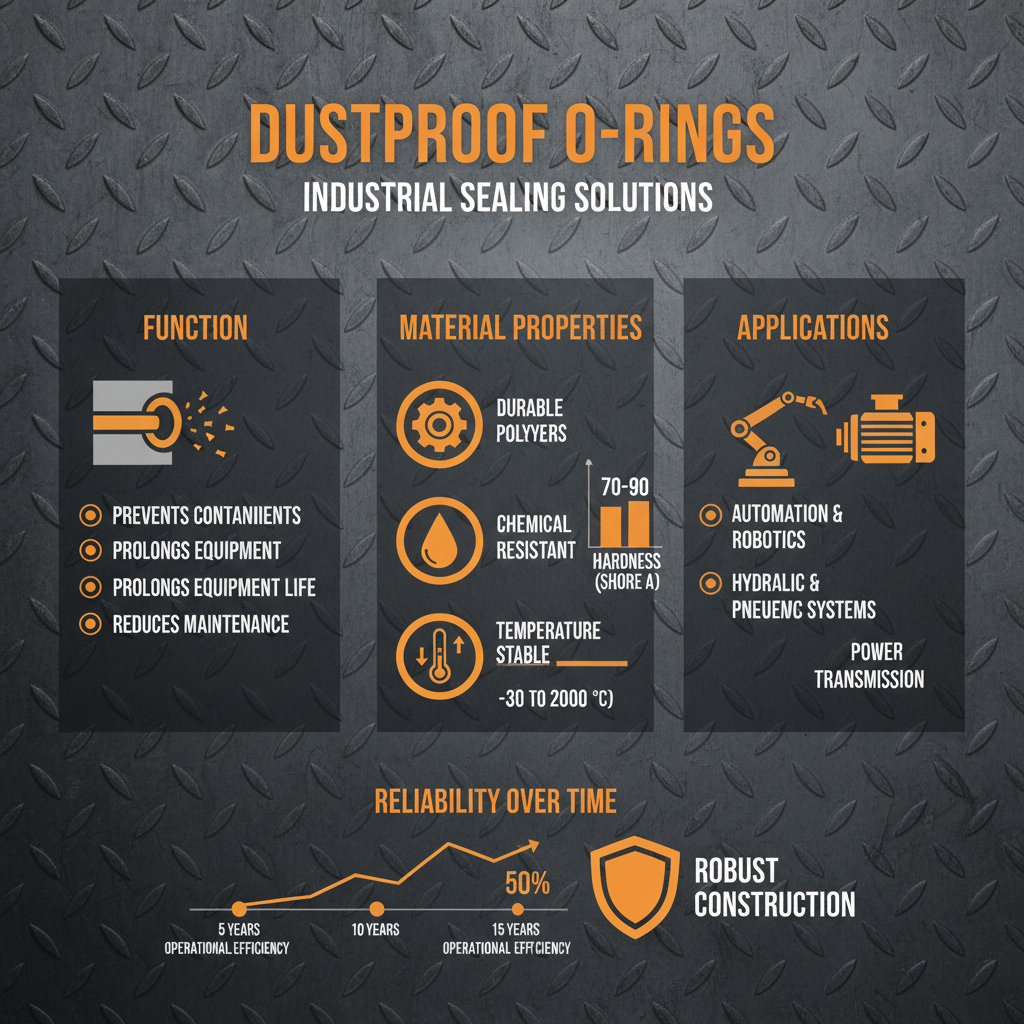
Ensuring Long-Term Reliability and Performance
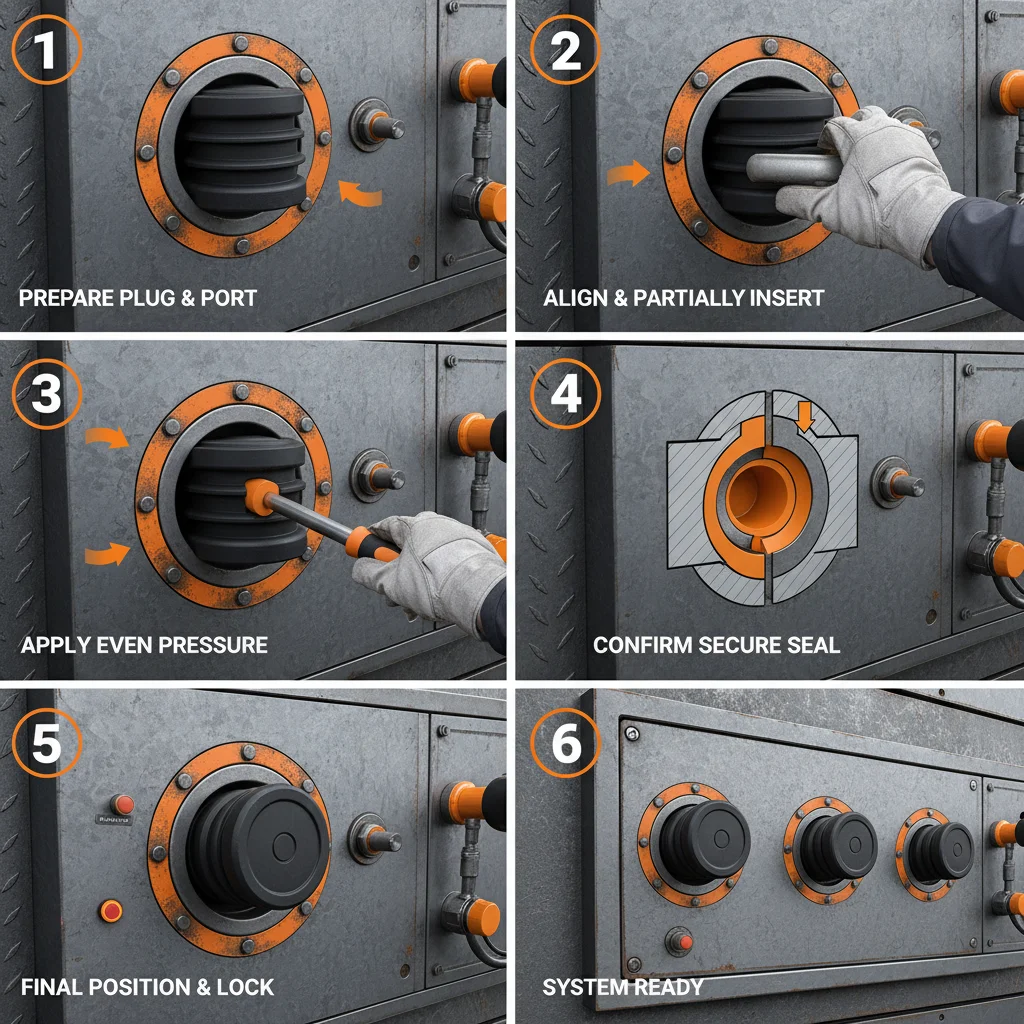
Proper installation and maintenance are crucial for maximizing the lifespan and performance of dustproof O-rings. Ensure that the sealing surfaces are clean and free of debris before installation. Use appropriate lubricants to aid installation and reduce friction. Regularly inspect O-rings for signs of wear, damage, or degradation. Replace O-rings proactively to prevent unexpected failures and downtime. Beikesealing offers a comprehensive range of high-quality dustproof O-rings to meet diverse industrial needs.
Conclusion: Protecting Your Systems with the Right Seal
Investing in high-quality dustproof O-rings is a critical step in ensuring the reliability and longevity of your equipment. By carefully considering the factors outlined in this article and selecting the appropriate material and size, you can effectively protect your systems from contamination and maximize performance. Don't compromise on the integrity of your seals – choose a trusted supplier like Beikesealing.
Frequently Asked Questions (FAQs)
What is the difference between a standard O-ring and a dustproof O-ring?
While both standard and dustproof O-rings provide sealing capabilities, dustproof O-rings are specifically designed to prevent the ingress of fine particulate matter like dust, dirt, and sand. They often incorporate tighter tolerances and specific materials optimized for resisting particle penetration. The design might also include features like tighter lip seals or special coatings to enhance dust resistance. Standard O-rings are primarily focused on fluid sealing and may not offer the same level of protection against solid contaminants.
How do I determine the correct size O-ring for my application?
Determining the correct O-ring size is crucial for effective sealing. You'll need to measure the gland (the groove where the O-ring sits) diameter and cross-section. The diameter is the inner diameter of the gland, and the cross-section is the height of the groove. It’s generally recommended to slightly oversize the O-ring to ensure a tight seal, but excessive oversizing can lead to installation difficulties. Consulting with an O-ring supplier, like Beikesealing, can provide expert guidance.
What are the signs that a dustproof O-ring needs to be replaced?
Several signs indicate that a dustproof O-ring needs replacement. These include visible cracks, cuts, or swelling, loss of elasticity, and decreased sealing performance. If you notice leaks, dust ingress, or difficulty maintaining pressure, it's likely the O-ring has deteriorated. Regular inspections can help identify these issues before they lead to more significant problems. Proactive replacement is always more cost-effective than dealing with equipment failure.