Custom Nonstandard ORings for Optimal Sealing Solutions
Custom Non-standard O-Rings: A Comprehensive Guide
When it comes to sealing solutions, standard O-rings often fall short of meeting specific application requirements. That's where custom non-standard O-rings come into play. These precision-engineered seals are designed and manufactured to exact specifications, ensuring optimal performance and reliability in diverse industries. This article will provide a detailed overview of custom O-rings, covering materials, applications, benefits, and factors to consider when choosing a supplier. Investing in the right custom O-ring can significantly improve the longevity and efficiency of your equipment.
Understanding Custom Non-Standard O-Rings
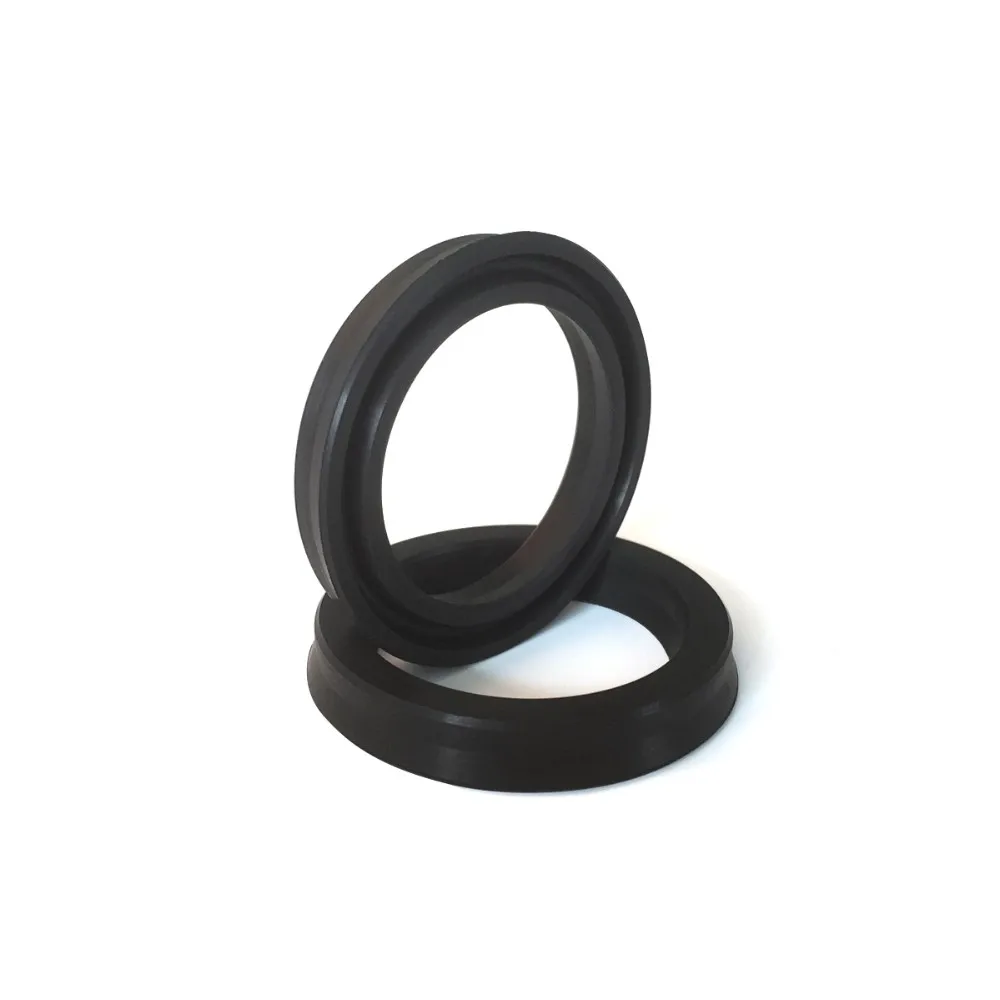
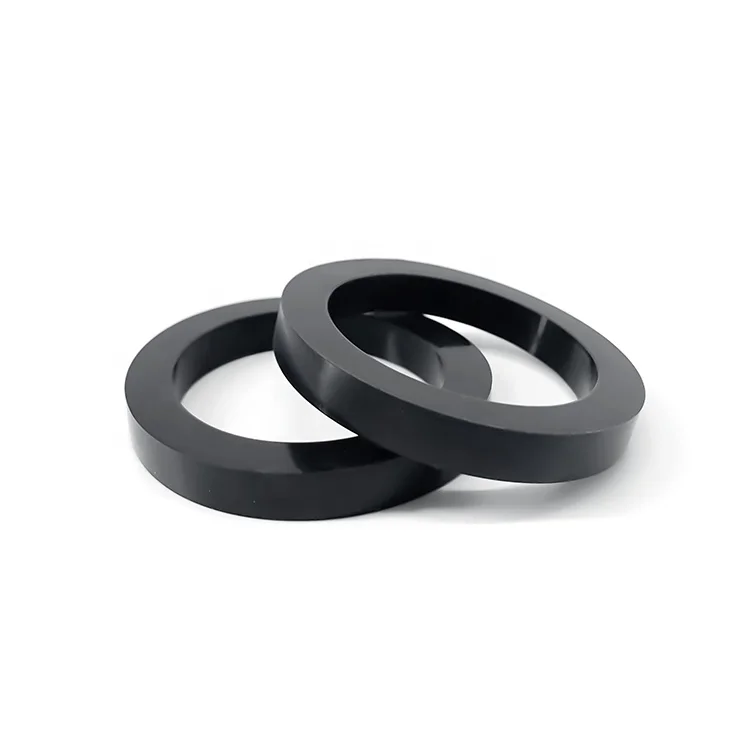
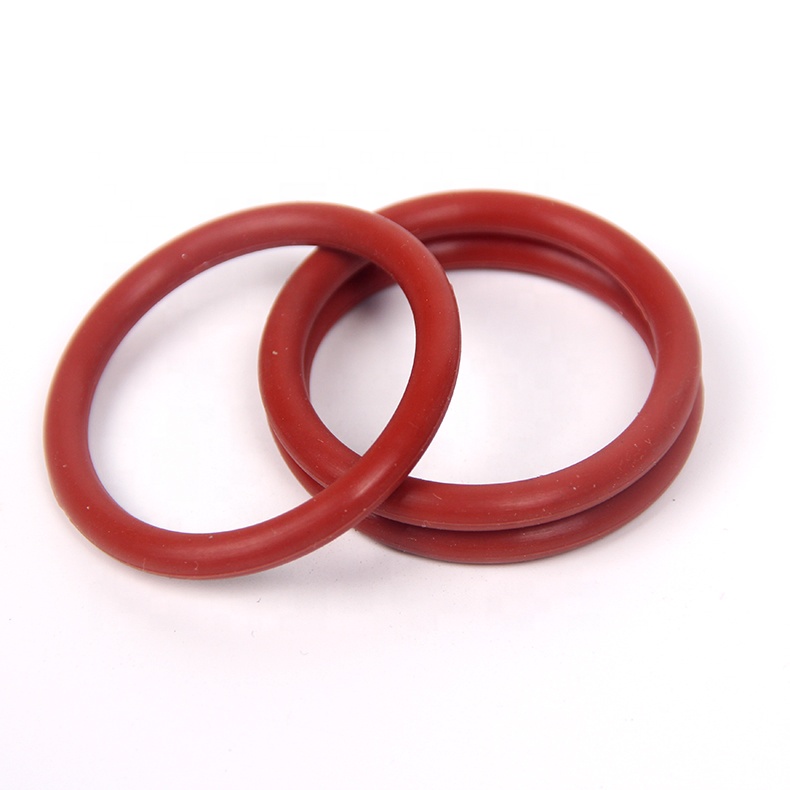
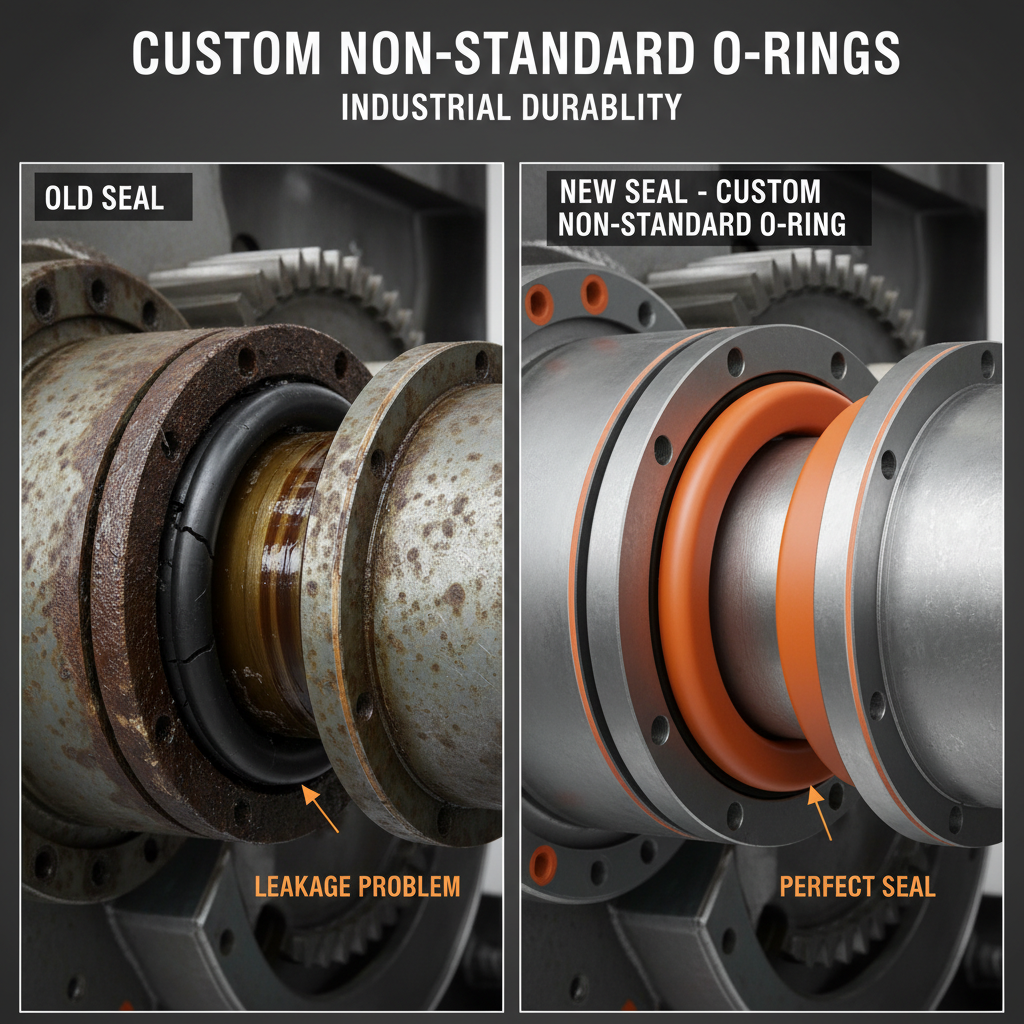
Unlike standard O-rings available in common sizes, custom non-standard O-rings are tailored to your unique needs. This customization extends to dimensions (inner diameter, outer diameter, and cross-section), material composition, and even color. They are often required when dealing with unusual shapes, tight spaces, or demanding operating conditions such as extreme temperatures, pressures, or exposure to corrosive chemicals. Beike Sealing specializes in creating these tailored solutions for a broad range of industries.
Key Benefits: Precise fit, enhanced performance, extended equipment life, reduced leakage, compatibility with challenging environments.
Materials Used in Custom O-Ring Manufacturing
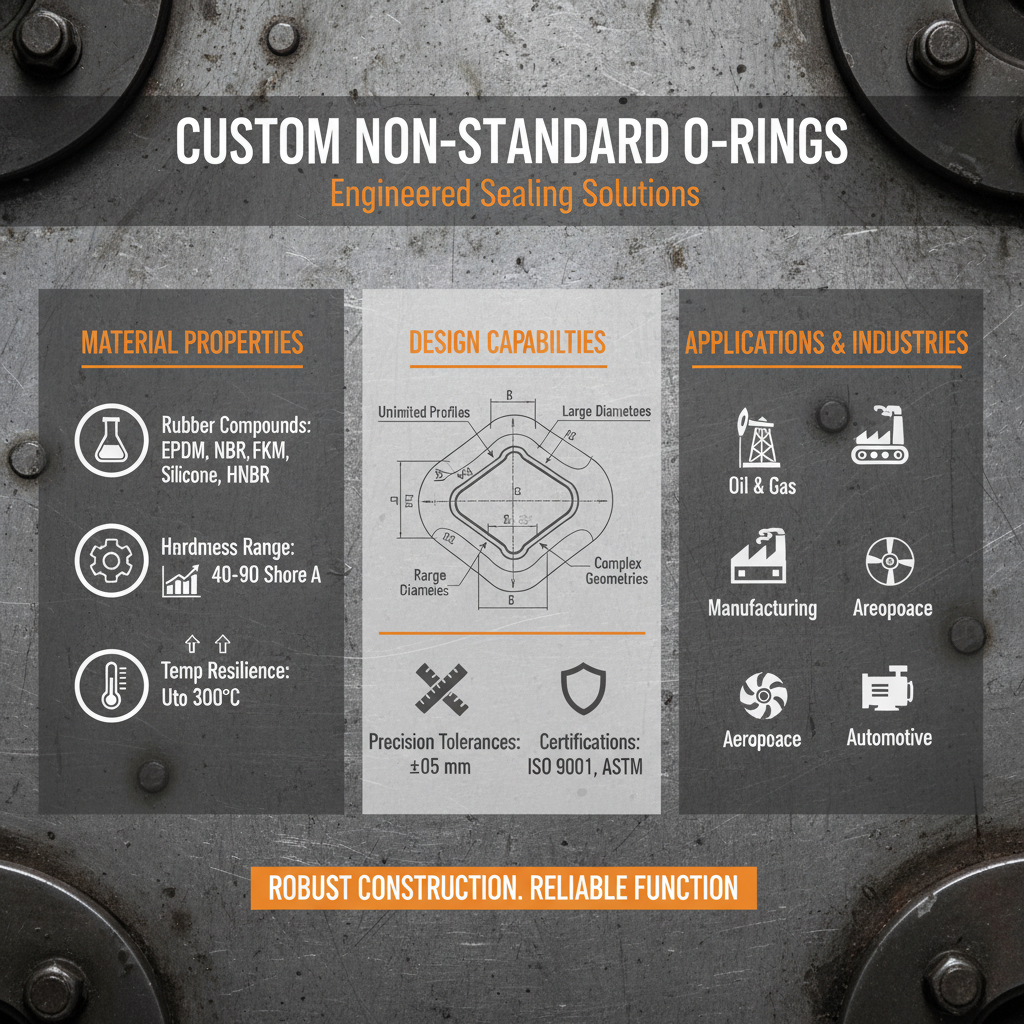
The choice of material is critical when specifying custom O-rings. Different materials offer varying levels of resistance to temperature, chemicals, pressure, and abrasion. Common materials include:
- Viton (FKM): Excellent resistance to high temperatures, oils, fuels, and chemicals.
- Nitrile (NBR): Good resistance to oils and fuels, cost-effective.
- Silicone (VMQ): Wide temperature range, good for food and medical applications.
- EPDM: Excellent resistance to water, steam, and weathering.
- PTFE: Exceptional chemical resistance and a wide temperature range, but often more expensive.
Selecting the appropriate material is crucial to ensuring long-term reliability and preventing premature failure. Beike Sealing's material experts can help you choose the best option for your application.
Applications of Custom Non-Standard O-Rings
Custom O-rings find application in numerous industries, including:
- Aerospace: Critical sealing in engines, hydraulic systems, and fuel systems.
- Automotive: Sealing in transmissions, engines, and fuel injectors.
- Oil & Gas: Downhole sealing, valve applications, and pipeline maintenance.
- Medical Devices: Sealing in pumps, valves, and diagnostic equipment.
- Food Processing: Hygienic sealing in food handling equipment.
- Industrial Machinery: Sealing in pumps, compressors, and hydraulic cylinders.
Industry-Specific Needs:
• Aerospace demands high-temperature and fuel-resistant seals.
• Medical requires biocompatible and sterilizable materials.
• Oil & Gas needs seals resistant to harsh chemicals and extreme pressures.
Custom Non-Standard O-Rings vs. Standard O-Rings: A Detailed Comparison
Understanding the differences between standard and custom O-rings is crucial for making informed decisions. While standard O-rings are cost-effective for common applications, custom O-rings offer superior performance and reliability in challenging scenarios.
Choosing the Right Supplier for Custom O-Rings
Selecting a reputable supplier is crucial for ensuring the quality and reliability of your custom O-rings. Consider the following factors:
- Material Expertise: Does the supplier have a strong understanding of various materials and their applications?
- Manufacturing Capabilities: Can they handle your specific volume requirements and tolerances?
- Quality Control: What quality control procedures are in place to ensure consistent product quality?
- Lead Times: Are their lead times acceptable for your project schedule?
- Customer Support: Do they offer responsive and helpful customer support?
Conclusion: Investing in Precision Sealing
Custom non-standard O-rings are essential for applications where standard seals simply won't suffice. By carefully considering your application requirements, choosing the right materials, and partnering with a trusted supplier like Beike Sealing, you can ensure optimal performance, extended equipment life, and reduced downtime. Investing in precision sealing is an investment in the reliability and efficiency of your operations.
Frequently Asked Questions (FAQs)
What is the typical lead time for custom O-rings?
Lead times vary depending on the complexity of the order, material availability, and current production workload. Typically, lead times range from 1 to 4 weeks. However, Beike Sealing offers expedited services for urgent requirements. It's always best to discuss your specific needs with their sales team to get an accurate estimate.
What file formats do you accept for custom O-ring designs?
We accept a variety of file formats, including 2D drawings in PDF, DXF, and DWG, as well as 3D models in STEP, IGES, and STL. Providing a detailed drawing with clear dimensions and tolerances is essential for accurate manufacturing. Our engineering team can assist you with design optimization if needed.
Do you offer prototyping services for custom O-rings?
Yes, Beike Sealing offers prototyping services to help you validate your design and material selection before committing to a full production run. This allows you to identify and address any potential issues early in the process, saving you time and money.
What is the minimum order quantity (MOQ) for custom O-rings?
The MOQ varies depending on the material, size, and complexity of the O-ring. However, we are able to accommodate both small and large order quantities. Contact our sales team for a personalized quote and to discuss your specific requirements.